Imagine you are riding your horse towards an enormous brick wall. There will be a few horses who are athletic enough and riders who are skilled enough to go directly over the wall. If they’re successful, that will tempt them to take the next horse straight over, and the next. And it will also tempt them to make the wall ever higher. Eventually they will either make the wall so high no horse can jump it, or they will try and force a horse over the wall who truly can’t make it. Either way, eventually they will crash.
If you lower that fence, more horses and more riders will be able to jump it successfully, but there will still be some who can’t. They either lack the physical ability, the skills or the confidence to jump it.
Lower it a bit more and some who couldn’t jump it before will now be successful. Turn it into a cross rail and more will manage it, but you will still have some individuals who can’t manage even a small jump. You may have to turn it into a ground pole, or draw a line in the dirt – or you may need to find a way to go around the jump altogether rather than over it.
When I’m confronted by a “brick wall” of a behavioral problem, I prefer either to find a way around it, or to dismantle it so I only have to ask my horse to go over a few small bricks. If you pull enough layers off the brick wall, you will eventually get to the point where every horse and every handler can be successful.
Peregrine’s mother taught me this. She was bred to be a racehorse. The trainer who had her kept a small string of racehorses and broodmares in addition to his jumpers. If I hadn’t stepped into her life, she would have ended up at the track – at least that was the goal. Given the injuries she sustained in the name of training, she never would have made it that far.
Racehorses take baths, so as a weanling it was expected that she would take baths. The assignment of teaching her about hoses was turned over to a teenager who took her straight out and tried to give her a bath. The result was predictable. She reared up and struck out at his head.
He never managed to give her a bath, but he did make everyone believe she was a “witch”, a nasty horse you didn’t want to get close to. Interesting how it is the horse who takes the blame for our bad training.
He also created in her a lasting fear of hoses. When I started working with her a few months later, I could not take her directly down the barn aisle and out into the arena because it meant walking over the hose that was used to fill water buckets. When I wanted to go into the arena, I had to take her out through the back which meant climbing over the shavings pile so we could get in by the back gate.
I’m sure the trainer would have had a different solution. He would have “made” her comply. There would have been a fight, and in the end she would have walked over the hose. She would still have been afraid of it, but she would have learned that she had no choice.
I was a very green handler. I knew I didn’t have the skills to get into this kind of a fight, so I used a different approach. I have always said I did some of my best training when I knew the very least. All I had was patience and persistence, and I put those to good use.
Every night I would take her out of her stall and tie her to the aisle rail so I could groom her. Tying was something she had already learned how to do so it was safe to use. I began about twenty feet away from the hose. When we were done, I would turn her away from the hose and walk the long way around into the arena. Each night I tied her a little closer to the hose, but always we turned and walked away from it. I never confronted her with it.
We finally got to the point where she could be tied right beside the hose, and she would stand quietly throughout her grooming session without seeming to worry about it. One night instead of turning away, I asked her to follow me over it. She did so without hesitation. And after that, she always followed me wherever I asked her to go.
I didn’t try to plow over the brick wall. I found a way to dismantle it brick by brick until she was ready to cross over it.
She discovered she could walk over hoses without fear. More than that, she now understood that she could trust me to take care of her.
I wasn’t expecting this larger result. I simply wanted to find a non-confrontational way to help her understand that hoses were harmless. In the process I showed her how I could be trusted to behave. I could be counted on to be consistent and to be on her side. I wasn’t going to be petting her one moment and beating her the next.
One of the many things that you learn from horse training is the longer you stay with an exercise, the more good things you’ll find that it gives you. Focus on some little achievable piece of the training, something you and your horse can accomplish together, and all kinds of other good and often unexpected results will emerge out of it.
This small step over a garden hose was one of the many steps that led me to clicker training. When we clicker train we dismantle the brick walls, and we find ways for all of our horses to succeed. This is one of the many gifts Peregrine and his mother gave me.
Happy 30th Birthday Peregrine. You helped teach me the gift of small steps. That was a great gift indeed.
They say a journey of a thousand miles begins with a single step. In 1993 when I went out to the barn with my pockets full of treats, I had no idea the journey that first step was going to take me on. I wasn’t thinking about writing books, making videos, traveling to clinics and conferences, sharing clicker training on the internet with people from around the planet. I just wanted a way to keep Peregrine entertained while he was laid up with foot abscesses.
As he began to recover, I used the clicker to reshape some of the many things I had taught him over the years. Clicker training had landed in a good place. I had a lot in my tool box to play with. In 1993 if you said ground work to most people, that meant one and only one thing – lunging. It’s no wonder when I started to write about using clicker training to improve ground work so many people ran in the opposite direction. It wasn’t just the treats that they didn’t like, it was lunging. Rarely did you see it done well, with a real understanding of a horse’s balance. It was used to “get the bucks out”. In my area the norm for lunging was horses racing around, out of balance, being jerked on, often in side reins. It was at best mindless. At it’s worse, it was a physically exhausting battle between horse and handler, repeated daily before the rider dared to get on.
I was learning something very different. For starters I had raised both Peregrine and his mother. Ground work for me meant so much more than lunging. It meant all the early handling and socialization. It meant teaching horses to pick up their feet for cleaning, to stand well for grooming and saddling and all the other basic handling you take for granted when you’ve only had older horses. It meant going for walks together to learn about the world. Peregrine’s mother had spinal cord damage – the result of a handling accident that occurred shortly before she became mine. So for her ground work meant even more. It meant literally reteaching her how to walk without falling.
Early on in my horse training experience I was able to spend time with some very skilled horsemen. They didn’t mess around with the kind of small steps I teach today through clicker training. They went straight to the big stuff. Most of the time they were successful because they had the skills to get into a fight with a horse and win. But occasionally things would turn into a train wreck.
I remember one such occasion where a trainer was trying to “sort out” a mustang. This was a powerfully built draft type horse. He’d already come to grief with several other trainers, and now this man was trying out his skills. The mustang came within a hair’s breath of kicking his head in.
I was watching this as a very young and very inexperienced horse owner. My takeaway message was I didn’t want to get into a fight with a horse. Apart from the fact that it was just too dangerous, even then I knew it didn’t create the kind of relationship that I wanted.
I also knew that I didn’t have the skills or the strength to guarantee that I would win. If you can’t guarantee a victory in the big battle – don’t start it in the first place.
I concentrated instead on the little victories. I was boarding at the time in a hunter jumper barn. I saw horses who had never been jumped before being sent over enormous fences. Most of the time they were athletic enough to make it over, but sometimes they would simply crash through the fence or refuse to jump altogether. The horses that stopped or tried to run out past the jump were all treated in the same way. They were punished. They learned fast that no matter how scared they were about jumping, the only safe route for them was straight over the fence.
I was finding a different way. My own, beloved horse – Peregrine’s mother – had neurological damage. Never mind jumping. Stepping over the raised sill of her stall was a daily challenge. She couldn’t go over a ground pole without panicking, but she could step over a line drawn in the dirt. So that’s where we began. Stepping over that line was a first step on a journey that has carried me many places.
It has brought me here to this morning where I am thinking back over the thirty years I have had with the foal that she gave me.
Happy 30th Birthday Peregrine. You are much beloved.
If you’ve read my first book, “Clicker Training for your Horse”, you might have noticed that there are very few pictures of Peregrine in it. That’s because throughout the period that I was working on it, Peregrine was on stall rest. I was writing a book that he had helped in large part to create, but on the eve of having it published it was not at all clear that he would ever be sound again.
The culprit was Potomac horse fever. It had left him with damage to his feet. It was a frustrating situation to be in. Peregrine’s big, gorgeous trot had dwindled down to a shuffle. I would say to my vets, he’s lame, but they couldn’t see it. That was just how the horses that they saw horses moved. He wasn’t asymmetrically lame. What was wrong?
What was wrong was this wasn’t the way MY horse moved. Finally one of the young associates in the practice decided that maybe there was something wrong – with Peregrine’s hocks. Sigh. I knew where the problem was, in his front feet. I could feel it.
Just to humor me the vet did nerve blocks on Peregrine’s front feet. His comment as I trotted Peregrine out for him: “I’ve never seen a horse get so sound so fast in his hocks from a nerve block to his front feet.”
For the few minutes that his feet were numbed and he felt no pain, we could all see the beautiful big trot that was Peregrine’s. And then the pain returned and with it the shuffling reluctance to move.
We tried various strategies. He’d be okay for a little bit and then lame again. Finally his feet deteriorated to the point where we were forced to do hoof wall resections on all four feet. Peregrine was put on total stall rest. The only time he was allowed out of his stall was to walk the few steps down the barn aisle to the wash stall where everyday I had to treat and rewrap his feet. This went on for nine months. By the end I never again wanted to see another roll of duct tape!
Now I am sure there will be people reading this who will be horrified. Nine months of stall rest! Just remember this was over twenty years ago. We might well have better options today that wouldn’t involve confining a horse to a stall, but all I can say is it worked. The new hoof that grew in over those nine months grew in healthy. In December we were ready to let him have some limited exercise. That’s when I got the call from a producer from the BBC. They were doing a series on animal intelligence. Could they come film my horses?
You don’t say no to the BBC. Of course they could come, but I wasn’t sure what I could show them. The day they arrived was Peregrine’s fourth day off stall rest. So far we had walked around the arena for about ten minutes each day.
The first horse I brought out for them was our senior horse, Magnat. He was always our consistent superstar. You could rely on Magnat to show off, and he didn’t disappoint us. He and his owner, Ann Edie, were just learning piaffe. We filmed a short lesson, and then it was Peregrine’s turn.
He came into the arena eager to work. For nine months there had been no clicker training, and suddenly, today everything was allowed. He was tireless. We worked mostly at liberty. Peregrine could have quit at any time. Instead he kept offering and offering.
It was a wonderful experience. This was the first time that I had shared clicker training with reporters, and this producer set a high standard for everyone else who was to follow. He was a superb interviewer. He knew how to ask good questions which made it fun to share the horses with him.
We’d film a bit and then pause to discuss what I would be showing them next. There were six of us in a tight cluster discussing the details of the filming: the producer, his assistant, the camera man, the sound man with his enormous boom, myself and Peregrine. He joined in every conversation, looking over our shoulders, clearly interested in everything that was being said.
He must have been listening because he pulled out all the stops, showing off his canter in hand and for the first time ever producing piaffe at liberty. I had no idea this was in him. We had only worked piaffe in hand or under saddle. This was very much the early days of clicker training. Peregrine had picked the perfect time to show me what was possible.
The video the producer shot that morning was so good he ended up creating a twenty minute segment just on Peregrine. Unfortunately, as he was preparing the final edit, he learned that he had to cut down on the overall length of the series. The easiest way to make the time was to cut out the section on clicker training, so Peregrine never did have his moment to shine on BBC television. That’s all right. He shone for me that day. Somewhere buried in my stacks of old VHS tapes I have a copy of the original program before the producer had to cut out Peregrine’s section. I’m biased, of course, but he should have left it in!
In the horse world one of the deep seated beliefs is that horses are stupid animals. That’s why we need to use force to train them. “It’s all they can understand.” But of course, there’s the corollary belief that horses don’t feel pain the way we do, so its okay.
When I first started sharing clicker training on the internet, people would post about their first clicker experience. These were the early adopters. They had no idea what they were stepping into. Their posts always made me laugh. “My horse is so SMART!!!” they would exclaim. Their surprise and their delight was so evident in their words. Their enthusiasm attracted others and encouraged them to give this strange new way of interacting with horses a try. They quickly joined the chorus of: “My horse is so SMART!!!”
Clicker training helps us to see what I have always known. Only its not just our horses that are so smart. It’s all animals. It was very appropriate that our first interview should be one for a program devoted to Animal Intelligence.
Happy 30th Birthday, Peregrine When I first went out to the barn with clicker in hand, I had no idea all the adventures you would be taking me on me on. Thank you for a wonderful journey!
Peregrine will be 30 in two weeks. You can see his age in his face. Just like an elderly person, his flesh has melted away from his bones. But there’s something else I see his face. I see the foal who greeted me thirty years ago.
I was there at his birth which was a very good thing or he might not have survived his first day. His mother had neurological damage to her spine resulting in limited proprioception in her hind end. She panicked during the foaling. As Peregrine began to emerge, she fell down against the stall wall and couldn’t get up. He was trapped in the corner of the stall with not enough room to get free of her pelvis. If I had not been camped out just outside her stall and heard the first sounds of her struggle, I might have lost them both.
I was able to pull Peregrine out and then summon the help I needed to move her away from the wall. While his mother rested, he struggled to his feet.
I’ve watched people trying to catch new born foals. They have to corner them, trap them, grab them up in their arms and hold them tight. Peregrine was never like that. I’d been talking to him for months before his birth. He was born knowing my voice, knowing me. He was every bit as at ease with me as he was his own mother. This foal picture was taken just eight hours after he was born. The halter was a non-event. I slipped it on, and he wore it as though it was the most natural thing in the world for a horse to do. He fell asleep that first morning with his head in my lap, something he still does, thirty years later.
When I look at this picture, I see my beautiful Peregrine. He’s curious, open, eager for the life that is ahead of him. When I look at Peregrine now, I see the same horse. He’s still beautiful and still eager for what the day will bring. I wish we could say the same for all old horses.
Happy Birthday Peregrine. Thank you for the gift of 30 years.
Help me celebrate his 30th birthday on April 26, 2015. Details to be announced.
What Are You Really Saying?
We’ve been having an interesting discussion in my on-line course about the labels people use to describe their horses.
Words are so interesting. Recently I flew on a Delta airlines plane. Most of the airlines have rows at the front of the economy section that give you a couple more inches of leg room. United calls this section economy plus. Delta calls it comfort seating.
Oh dear.
As I walked past the last row of this section to my seat in the middle of the plane, I couldn’t help thinking: “abandon hope all ye who enter here.” If I have just passed the comfort seating zone, what was left – the comfortless seating rows. Exactly right!
Words Matter
Words matter. Labels matter. We use language so we are constantly creating labels and attaching them to everything. We name our family members, our friends, our pets, the objects around us, the thoughts and emotions we’re feeling.
When we talk about our horses, we often find ourselves saying they are dominant, stubborn, aggressive, playful, friendly, submissive. We stick these labels on the animal, and they become self-fulfilling prophecies. The power of expectations is huge. Dr. Robert Rosenthal demonstrated this in a clever study done with rats. Twelve lab techs were each given five rats. Their job was to train their rats to run through a maze. Six of the lab techs were told their rats came from a strain that was bred for good performance. The other six lab techs were told their rats came from a strain that had been bred for poor performance.
They were given five days to work with their rats, and from day one on there was a significant difference in how the rats performed. The “smart” rats learned the maze much faster. Of course, you’ve already guessed the set up. The rats were all from the same strain. There should have been no significant difference in performance, but the expectation of the handlers impacted how they handled the rats. The “smart” rats were handled more gently which resulted in them performing almost twice as well as the “stupid” rats. The expectations of the experimenters had created a self-fulfilling prophecy.
Rosenthal went on to conduct similar tests of expectations in schools. In one study all the students in a class were given an IQ test at the beginning of the school year. The teachers were then told that five of the students had scored exceptionally well on the test and could be expected to excel throughout the year. At the end of the year, these five students had indeed surpassed all the other students in the class. And again, you’ve probably guessed the set up of the experiment. The five children were picked at random. Their scores were no higher than the rest of their classmates at the start of the school year, but the extra attention the teachers gave them again created a self-fulfilling prophecy.
Rosenthal dubbed the influence that expectation can have on results as the “Pygmalion Effect”. His work clearly shows us that labels and the expectations they create do indeed matter.
What Are You Attaching The Label To?
Dr. Susan Friedman and other behaviorists remind us that the emotionally charged labels we use don’t describe the whole animal, they describe the behavior we’re seeing. That shift in focus is important. If I think of a horse as aggressive, we can both become trapped in this label just as surely as a fly is trapped in amber.
Labels can become dead ends. An aggressive horse becomes just that. Even if I modify his behavior, that label remains attached like a permanent brand tattooed around his neck. He might not be showing aggression now, but watch out, that label warns. This is an aggressive horse.
When you unlock the horse from these labels and describe instead the behavior you are observing along with its antecedents and its reinforcers, you also unlock training solutions that create the potential for lasting change.
Labels
Labels can certainly be a convenient short hand. We all use them, but we need to be mindful when we do of the effect that these labels have on the ways in which we interact with our horses and the training choices that we make. We need to keep in mind the Pygmalion effect, but that doesn’t mean we mustn’t use labels. After all, labels – meaning nouns and the adjectives that modify them – are what give meaning and richness to our language. Without them we would be creating a very drab world indeed. (Note all the labels that were used just in the last two sentences. They help give colour to the world we live in.)
So instead of stripping our language down to the bare bones because we are afraid to use any descriptive labels at all, let’s learn instead how to put the Pygmalion effect to work for us. If our expectations contribute to the outcome we get, then let’s use labels that take us in the direction we want to go.
When you attach labels, think about what you want to modify. Are you describing the whole horse or just the behavior you are seeing in this moment? If you do label the horse, select ones that take you to the horse you want to have. I believe that horses are intelligent animals, and I love being around smart horses. The labels that I attach to the horses I’m with reflect this belief system and direction I want to be heading with them. Listen to the labels that people use to describe their horses. They will reveal their underlying belief systems.
Self-Fulfilling Prophecies
We attract evidence to support our belief systems. If I believe that horses are intelligent animals, I will be most aware of experiences that support that view. Someone else might think of horses as stupid animals. Guess what they will notice?
We can see the same behavior, and our underlying belief system will cause us to see it in completely different ways. We’ll each end up attaching labels that support our belief system. So when you use someone else’s labels, you want to consider their underlying belief system. Is it a match with where you want to be heading with your horse?
If you try on someone else’s label, examine carefully what expectations that creates for you. When I say my horse is “smart”, there’s delight and admiration attached to that label. You might use that label and find that it creates problems. What happens if your “smart” horse doesn’t understand a lesson? Do you get frustrated with him because he’s not trying hard enough? He should be able to get this. If a label leads you down a relationship path that creates disappointment or conflict, don’t use that label.
Labels are often based on an incomplete analysis of the behavior we’re seeing. We hear so often horses are prey animals, and they are flight reaction animals. Lets take those descriptions a step further than these statements usually carry us. Horses are herd animals. They form social groups to provide safety from predators. When a predator attacks what do horses do? Run, of course. But not apart. They don’t scatter in all directions. They bunch together. Why? Because that tighter bunch makes it harder for a predator to get in close to take one of them down.
So when a horse is startled and crowds in on top of you, is he being pushy, or is he trying to keep you both safe? When you drive him out of your space because you’ve been taught that this behavior is a sign of disrespect, what must he be thinking? That you’re literally throwing him to the lions.
For obvious reasons we can’t have our horses jumping on top of us, but if I see this reaction as a desire for safety, I’ll find training solutions that support this need. Our underlying belief systems and our understanding of horses will very much influence how we see this event. It will impact what labels we attach to the horse and what training solutions we choose.
Through clicker training we are learning to look beyond the easy out of incomplete or outdated labels to the behavior we are seeing. Horses do indeed have very definite personalities. One of the great pleasures of clicker training is the horse’s personality can be expressed and remain intact. That makes it very much a study of one – your horse with his unique personality and life history. When you describe him, use words that lead you to towards the kind of relationship you want to have.
I believe horses are intelligent and my expectations create that reality in my horses.
Alexandra Kurland
Please note: If you are new to clicker training and you are looking for how-to instructions, you will find what you need at my web sites:
P.S. If you want to learn more about expectations, listen to the January 22, 2015 podcast of NPR’s Invisibilia: How to Become Batman. You’ll hear Robert Rosenthal describe the study he did with the rats, and you’ll also hear from Stanford psychologist, Carol Dweck. I’ve referenced her work in previous articles.
I am always in search of good metaphors. Lately I have been collecting some gems from the sciences. That seems an appropriate place to look for them since clicker training is science-based. The two newest additions to the collection come from systems biologist, Uri Alon. The first is The Cloud and the second is “Yes, and . . . Learning to Grab a Whale By The Tail”. I’ll describe The Cloud first and leave you guessing about the other for another day.
The Cloud
Imagine yourself as a graduate student just beginning work on your thesis project. You have spent thousands of hours studying the results of other people’s research, but you know next to nothing about the research process itself. That was the situation Uri Alon found himself in when he entered graduate school.
He had a question and some assumptions about what his results should be, but when he began his experiments, the results did not follow a straight line trajectory towards the expected answer.
He became so frustrated and depressed by his project that he began to feel that he did not even belong at the University. He had read about great research results, but not about the process that brought researchers to these discoveries.
Somehow he made it through his first project only to find himself floundering about again in the same emotional turmoil when he embarked on his second thesis project. When he asked other graduate students what they were experiencing, they confirmed that it was much the same for them.
The frustration did not end there. When he became a professor, he again encountered the uncertainty of what to do. How do you choose a research project? How do you mentor others through the process of doing research? All those thousands of hours of study that had brought him to his own lab were not enough to answer those questions. Journal articles reported on the end product, not the hundreds of tedious hours researchers spent going in wrong directions.
Does this sound familiar. I can so easily rewrite this:
Imagine yourself as a first time horse owner. You have read everything you can get your hands on about riding. You have spent who knows how many hours reading about the results of other people’s training experience, but you have very little direct knowledge of the training process itself. You know how to ride, but you have always been on horses someone else has trained. You know how to direct them literally from point A to point B, but you know very little about what was done to get their training to this point.
But not to worry. You have bravely bought your first horse, a youngster who presumably was started under saddle. You are slowly discovering that your basic assumptions about how much this horse knows are not quite a match with reality. But that’s all right. You’ve read the books. You subscribe to all the popular magazines. You’ve memorized the steps the authors describe for dealing with the problems you’re encountering, so you head out to the barn filled with confidence that you will soon have your horse sorted. That’s when you discover that A does not always lead directly to B.
Back to physics: Alon had a mental map of how things should turn out: he had a question. He formed a hypothesis around that question. He did some work to test the hypothesis which he expected to lead to the set of conclusions he had predicted. It should have been a straight line trajectory.
A (the question) leads to B (the answer).
Except that it didn’t.
And when it didn’t, he experienced stress.
Whether it is with theoretical research or practical horse training, we crave internal consistency. We want our expectations to match our reality. When they don’t, we become uncomfortable. We look for ways to reduce the inconsistency, or to avoid situations and information that might increase it.
This drawing, borrowed from Alon’s presentations on the cloud, illustrates the way a research project often unfolds. You start off expecting a straight line to B, but instead your first assumption doesn’t work, so you try something else, and when that doesn’t work, you try again – and again.
Equally, the drawing can also describe horse training. In the books you’ve read, it says that if you can get your nervous horse to move his feet, he’ll calm down. You follow the basic recipe outlined in the books, and not only doesn’t your horse calm down, he seems even more agitated than he was before! Oh dear. This doesn’t match what the books described at all. You try something else, and that doesn’t work. So you throw that book away and try a different author’s approach. That doesn’t work either, and now you’re feeling more and more in a muddle.
In both cases you try experiment after experiment, procedure after procedure, but nothing works. You become increasingly stressed. I’m sure we’ve all read (or perhaps even written) posts to on-line forums where the person was clearly experiencing just this kind of emotional turmoil. If you are new to the training process, and especially if you are also new to horses, it’s easy to get in a muddle. You don’t understand why your horse walks away from you when you go out to catch him; why he pins his ears and bites at you when you groom him; why it’s a wrestling match every time you want to clean his feet or put on his bridle. Why, why, why, is your lament.
You try different approaches and you keep getting derailed. With each new path you feel more and more in a muddle. Finally you reach a point where it seems as though all your basic assumptions have failed. It is as though you are lost in a cloud of confusion. You become frustrated, anxious, depressed.
Alon refers to this emotional state appropriately enough as The Cloud.
Alon: “You can be lost in the cloud a day, a week, a year, a whole career, but sometimes if you have enough support, you can see in the materials you have in hand a new answer – C. You decide to go for it.”
Your first experiments don’t work, but you persist, and eventually you make a new discovery.
You tell everyone about it by publishing an article: A leads to C is the way the results are presented in a scientific journal, but it leaves out the process of getting from A to C.
Horse Training
The same thing occurs in horse training. When you read about training in books and magazines, it can sound so straight forward. You do X and Y will happen. Easy. Here’s an exercise that will help your horse relax his top line, become more supple, and go on the bit. You follow the recipe, and your stiff horse bolts off in rebellion. You are left literally in the dust wondering what went wrong. Training can be so unbelievably frustrating in part because it is not about following simple recipes.
In the DVDs that I have produced I always like to include video of someone who is new to the lesson I’m presenting. It’s all well and good to watch someone who knows the answer take a horse through the lesson. What does it look like for a new learner? What are some of the sticky places you might encounter, the skills you will need?
When your own horse doesn’t follow a direct line from A to B, I hope watching these lessons helps you to understand that this is a normal part of training. Even simple lessons can require creativity and innovation. That’s woven into the very core of clicker training. From the very first lesson on, flexibility, ingenuity, originality is something clicker training encourages. That links it both to science and art.
In behavior analysis they talk about the study of one. That’s what we have in training. You can look at what others have done, but always it comes down to a study of one – your horse. And always it is a voyage of discovery.
Alon: “The cloud is an inherent part of research. It is part of our craft because the cloud stands at the boundary between the known and the unknown.”
“In order to discover something truly new one of your basic assumptions has to change. Otherwise, it’s not new. And in this light scientists do something truly heroic. Everyday we try to push ourselves to the boundary between the known and the unknown and face the cloud.
Now notice that B is inside the land of the known because we knew about it before we began. C is always much more fresh, exciting, profound and also much more important than B, and that’s the wonder of doing research.”
More Connections with Clicker Training
This made me think of the people who are just beginning to explore clicker training. They start out at “A” with some basic assumptions about how horses are “supposed” to behave. These assumptions are based on their previous horse experience and what others around them tell them about training. These assumptions may include things such as: horses are not supposed to offer behavior; they are to do what they are told; you need to be the alpha, the leader to be respected.
And then they have their first clicker lesson and all these assumptions are turned inside out and upside down. The belief systems that underpin clicker training are a world apart from what others have been telling them. Is it any wonder that the difference between what they have been taught and what they are encountering creates confusion.
Sometimes they quit because the people around them are so critical and judgmental. It’s hard to keep going when you are surrounded by disapproving stares. Everyone is watching while your horse mugs you for treats. Aargh! What do you do!
What you do is find a more sympathetic support team. If you’re in a muddle, feeling confused, frustrated, annoyed by your horse’s behavior, you’re very much in the cloud. The on-line clicker community can help guide you safely through your introduction into clicker training. They understand the process because they’ve been through it. They may not have a word for the muddle of emotions you find yourself in, but they have experienced it and know that things do sort out.
Alon found that having a name for this aspect of doing research was transformative for his graduate students. They would say to him: “Uri, I’m in the cloud.”
He would respond by saying: “Great, you must be feeling miserable.”
Alon: “[As a mentor] I’m kind of happy, because we might be close to the boundary between the known and the unknown. We stand a chance of discovering something truly new. The way our minds work, just knowing that the cloud is normal, it’s essential, and in fact beautiful, means we can join the Cloud Appreciation Society. It detoxifies the feeling that something is deeply wrong with me.
And as a mentor, I know what to do, which is to step up my support for the student, because research in psychology shows that if you’re feeling fear and despair, your mind narrows down to very safe and conservative ways of thinking. If you want to explore the risky paths needed to get out of the cloud, you need other emotions — solidarity, support, hope — that come with your connection to somebody else. It’s best to walk into the unknown together.”
The cloud gives us a way of understanding the training process. It doesn’t matter if others have worked out tried and true methods for working with horses. That’s their experience. You have to find your own path. They can guide you, but again, it is always a study of one.
With your own horse some things may seem very easy and straight forward. The lessons will unfold exactly as the books suggest, but then you’ll encounter situations that just seem baffling. “Why won’t my horse go on the trailer; line up next to the mounting block; stand quietly for the farrier. I’ve tried everything!” Others can hear the frustration and despair as you tell your story. You have tried one suggestion after another, and all that has happened is you feel more and more tangled. You are well and truly in the cloud.
“Great! You must be feeling miserable.”
Remember what Alon said: the cloud means you are in the boundary between the known and the unknown, and you stand a chance of discovering something new. When you know the cloud is “normal, essential, and in fact beautiful”, you too, can join the Cloud Appreciation Society.
If you are feeling confused, if your training isn’t going along smoothly on straight line trajectories, there is nothing wrong with you or your horse.
Every learning process is a voyage of discovery. I may know the answer because I have been on this voyage before you, but you don’t. I can give you some sign posts to follow, some milestones to look for, but at the end of the day, you have to find your own way. The path you take may not be quite the one I expected. Think of the way children learn. Both parent and child are enriched by seeing the world through their fresh eyes.
When one of Alon’s students tells him he is in the cloud, he knows to step up his support for that student. “In science it is best to walk into the unknown together.”
The same is true for training horses. It is best to walk into the unknown in the company of somebody else. For many stepping into clicker training is very much stepping into unknown territory. If you are taking that step, having good mentors can be a huge help. They can remind you that the path you are on is one worth following, even if at times it feels as though you are heading into brambles. The brambles are just the boundary between what you know and the uncertainty that comes from exploring a new path.
Your mentors may be others in your barn who want the same kind of relationship with their own horses that you do with yours. Or they may come from connections you make on-line, from reading blogs like this, and other virtual resources. They might even be a canine clicker trainer who knows nothing about horses, but lots about training.
My Own Clouds
I will be celebrating Peregrine’s thirtieth birthday this spring. Over the years he has sent me into many dense clouds filled with frustration. Some were the normal things you run into when you are raising a young horse. Some were directly attributable to the physical issues he had with his locking stifles.
Uri Alon’s description of the frustrations he encountered doing his graduate thesis rang very true with me. They described very much what Peregrine put me through, especially in his first couple of years. He was my “graduate thesis”. I would solve one problem, feel the elation and satisfaction that goes along with that, and then Peregrine would present me with another, even more challenging puzzle. I’d be thrown right back into the cloud, trying to figure out the puzzle that was Peregrine. If other horses now seem much more straight forward to me, it is only because he was so very, very difficult.
We eventually got things more or less sorted. Then Peregrine got Potomac horse fever, and the clouds set in denser and thicker than ever. The Potomac horse fever damaged his feet. It took us three years to work our way out of that Cloud and to bring him back to full riding soundness.
Around that time I started experimenting with clicker training. I had “A” – the question: what is this and how do you use it with horses?
I set out on the first step, found several easy “B”s. That encouraged me to keep going. But as I kept exploring this question – what is clicker training and how do you use it? – I found that the line between A and B was not always so straight. That led to new, different, other ways of solving puzzles.
Clicker Puzzles
Picture again Alon’s model:
“A” might be a simple question: How do you introduce your horse to the clicker?”
With most horses the answer is a straight line trajectory between A and B. B in this case is you use targets. You click and treat as your horse sniffs the target out of curiosity.
But what about the horse who has lived surrounded by loud electric fences and panics at the sound of the clicker?
Okay, that’s easy. You use a different marker signal. But he’s still afraid to come up and explore your target. You try one approach after another. Finally what works for this horse is sitting quietly with him in his field while he makes the choice to come to you. You have found your new C. But once it is found, C sits within the boundary of the known.
So now with most horses you know you can begin with basic targeting. But with very timid horses you may first have to begin by reinforcing them for showing any interest in you at all.
Everything is great until you work with a friend’s horse who panics when she’s separated from the other members of her herd. Touching targets holds no interest for this horse. All she wants to do is get back to her equine friends. And you could sit for days in her field, she has zero interest in you. So you’re back in the cloud trying to figure out an approach that will work for her.
You try several different approaches until finally, perhaps with some help from your mentor, you spot D, the new solution you hadn’t seen before. You change the way you have your training area set up, and now you have a horse who is engaged with you.
So now D sits within the known strategies.
Each new puzzle, each new horse, each new venture into the cloud, expands your training knowledge. What at first seemed like just a tangled mess, now feels like very straightforward, familiar territory. You begin to know how to deal with a greater variety of situations, but don’t get too smug. It is the nature of horses to throw new clouds at us. Just when you think you are starting to know something, along will come a situation that sends you into the thickest of thick fogs.
I do love this image because it helps us understand the feelings of frustration that come so easily when we are trying to sort through the puzzles our horses throw at us. There’s nothing wrong with us, with them, or with the training system we are exploring. It is okay to feel confused, and frustrated. When you do, you can now say you are in The Cloud. And you can also know this is a good time to seek out the help of others. They may not have answers for you, but they can at least offer you the support you need to stay open and creative.
Expanding Your Training Map
Alon’s map helps us understand training in yet another way.
You began with a simple question (A): How do I get started?
As you worked with the three horses in your herd you found three different answers.
This confusing mess sorted itself out in your mind and became . . .
Your first horse followed a fairly conventional path to “B”. The other two horses were rescues with issues coming from past experiences complicating the process. They stretched you to find “C” and “D”.
But now each of those solutions becomes the launching point for the another question: What do I do next?
I will leave it up to you to draw out the map. Each layer takes you deeper into the training process. You will see intersecting paths. When you come to these again with a new horse, you will know you have choices. Each has led to successful solutions in the past. This is how training experience grows, horse by horse, lesson by lesson until you have a complex mosaic of choices all sitting comfortably within the boundaries of the known. You have created a rich tapestry of training connections. Now when you introduce the next horse to the clicker you do so with the confidence that comes from having successfully navigated your way through many clouds.
You are comfortable stretching yourself beyond the boundary of the known because you understand the cloud. You know that the muddle of emotions you sometimes experience when you are learning something new is not something to be afraid of. It’s not something to back away from. It is the sign post that tells you are leaving the security of the known and venturing heroically into new territory. You are facing the cloud, and you know beyond it is a new discovery and another layer of connection with your horse.
Coming soon: “Yes And . . . – Learning To Grab A Whale By The Tail: More Metaphors from a Systems Biologist”
Alexandra Kurland
February 3, 2015
Please note: If you are new to clicker training and you are looking for how-to instructions, you will find what you need at my web sites:
Try Again
Years ago I learned to avoid the word “Try”, as in “I’ll try to get that done for you.” or: “I’ll try to make that meeting.” When someone tells you that, “try” translates to you might as well schedule something else. That person isn’t going to be there.
Try is a polite way of saying I don’t want to do that, but I don’t want to say so, or perhaps even admit to myself, let alone to anyone else, that I’m not going to do it.
Why does “try” have such a negative subtext? We were all raised on “The Little Engine That Could”: If at first you don’t succeed, try, try again. Try seems as though it should be one of those words that sits on the empowering side of the equation, not the other way around. How did “try” come to have such a negative association?
Psychologist, Carol Dweck, may have part of the answer. I wrote about the results of one her studies in my previous post. Students were given a test. Half the group were told: “You scored really well. You must be very smart.” The other half were told: “You scored really well. You must have worked really hard.”
Those two simple phrases produced profoundly different results. When the students were given the choice between taking a tougher test that would challenge them or another that was like the one they had just taken and done so well on, the students who were praised for being smart chose the easier test. When asked what they would do in the future if they were given a tough test, those same students said they would probably cheat. When they were given an opportunity to look over the test papers of other students, they looked at papers of students who had scored lower than they did. Looking at the test results of someone who did worse than they did made them feel better about their own performance.
In contrast the students who were praised for their effort chose the tougher second test. And when they were given a chance to look at the test papers of other students, they sought out those who had done better than they did. These students understood that ability was not fixed. Challenging themselves with tougher problems now would help them to perform better in the future. They had what Dweck refers to as a growth mindset.
The other students had fixed mindsets. When they were praised for being smart, they became locked in by those expectations. If they took on the tougher challenge and failed, people would know they weren’t smart after all. If you have to work hard to achieve, it means you aren’t a natural, you aren’t really smart. “Try, try again” was for people who needed to work hard, not the naturally gifted.
Fixed, set-in-stone mindsets are hard on horses. If a rider believes that talent is innate, she’ll have to buy a gifted horse, one with a long pedigree of champions behind him. If that horse struggles in his lessons, this rider will frustrate easily. Her horse “should” be able to do this. She’ll compare herself to all “those other” riders are already out competing on their horses, and she’ll feel like a failure.
Chunking down, building a solid foundation, taking the time it takes are all phrases designed to make this rider increasingly impatient. Natural talent doesn’t need to work through those training steps. This is a rider who won’t stick to any one training program. Instead, as soon as she hits a stumbling block, she’s looking elsewhere for answers. Trying again means she’s failed, that her horse isn’t good enough, she isn’t good enough. What a disaster.
Growth mindsets are great for horses. If you have a growth mindset, you enjoy the process of training – not just the end result. You know that it’s okay if your horse isn’t as naturally athletic as your friend’s horse. He tries really hard, and that’s what counts. You know try is like heart. It will carry him a long way forward.
Try harder.Try again. These are phrases that can make some people wince. Why should you try harder when what you’re already doing isn’t working? In a fixed mindset world you don’t believe that trying harder will make any difference. You’ll run from any suggestion that you should try again. “Try” is a miserable word if you have a fixed mindset.
But from a growth mindset perspective trying harder is something you’ll embrace. Try is great word. Try implies that you are reaching for something. You are challenging yourself, stretching yourself beyond your immediate comfort zone. Try is a great word if you have a growth mindset.
So here’s the question: how do you respond to “Try” – with excitement or glum resignation?
The Power of Yet
“Not yet” is another phrase that Carol Dweck has helped me to understand better.
In a Tedtalk she describes a high school in Chicago that doesn’t give failing grades. Instead, if students doesn’t pass a course, they get the grade – not yet.
Dweck loves this concept. As she put it: “If you get a failing grade, you think I’m nothing. I’m nowhere. But if you get a grade of “not yet”, you understand that you’re on a learning curve. It puts you back onto a path into the future.”
Students with a fixed mindset feel as though their intelligence is being tested. Failure is devastating because it reveals how inadequate they are, and there is no possibility for improvement. Dweck’s words to describe this were wonderfully evocative: “Instead of luxuriating in the power of yet, they are gripped in the tyranny of now.”
I was thinking about Dweck’s talk this past week while I was working with some horses I haven’t seen for a couple of months. No matter how many weeks – or even months it is between visits, these horses always remember what we were working on, and they are always eager for more. Their enthusiasm for learning would be any teacher’s delight. On this trip the lessons were mostly in-hand. I was focusing on how soft, quiet, and connected the communication between us could become. For each of the horses it became a dance of cues.
We tend to think of cues as something we give. I cue the horse to trot. He responds by trotting. The cue is a signal. The trot is the behavior I get in response. This is a very limited and limiting view of cues.
Cues are wonderfully layered and complex. The more you learn about cues, the more you appreciate what this means. Here’s an example: we’re not the only ones giving cues. Cues can also be given by our animals. When cues are truly working well there is a back and forth exchange. In fact, one of the fun by-products of clicker training is the behaviors that I have taught to my horse can be turned around and used by him to cue me.
When you recognize that cues are a two way street, you become much more aware of what your animals are trying to communicate back to you. Through this cue communication you become better at listening to your learner and adjusting your training to meet his needs. You’re thinking about the whole animal and not just the isolated behaviors you want to teach.
This raises the question: what is the difference between a cue and a behavior? Could you reach a point in your training where all you really have is just a series of cues?
On a macro scale this is how we normally think of cues:
In this schematic cues and behaviors are seen as two different things. But really a cue is also a behavior. You lift your hand to cue your dog to lie down. That hand signal is a behavior. When the dog responds correctly, that reinforces you for lifting your hand in that particular way and makes it more likely that you’ll do it again. The effect of cues works in two directions. They signal which is the next “hot behavior”, and they reinforce the preceding behavior.
When your dog lies down, we think of that as a behavior. But it’s also a cue to you to click and toss him a treat.
You say “trot” to get your horse to change gait. Producing that sound is a behavior. As are all the weight shifts, the changes of breath, the head tilts and anything else we may use to signal to our intent. But why did you ask for the trot at that particular moment? Were you responding to some subtle signals from your horse that said this would be a good time to trot? When you think about cue communication, this is how the graphic evolves: With people what would we call this back and forth exchange? How about a conversation?
That’s exactly what I was having with these horses. Back and forth – I listened to them, they listened to me. Out of this conversation one of the horses produced the most glorious trot. I was working him in a somewhat unconventional leading position. Instead of being at his head, I was by his hind end. As he trotted beside me, I had my hand resting on his hips.
It was an amazing trot – to the left. To the right he couldn’t manage a trot at all. I found myself saying “yet”. Thank you Carol Dweck. The trot was not there – yet.
I asked. He clearly knew what I wanted. I could have insisted, forced him to make more of an effort, to produce a trot NOW. I did not. Instead I listened to him. I let him cue me. This is how our relationship has always been. He wanted to shift his balance into a lateral flexion. Good idea. Let’s flow with that.
The next day the trot to the left felt even more glorious. And in this session, when I asked for the trot to the right, he went up into it with ease. Not yet had transformed into yes now!
More than that, the trot to the right was even better than it was to the left. The celebration over that wonderful trot was all the sweeter because it had not been there just the day before. I had chosen a teaching strategy that let me listen to my horse, that let me harness the power of yet.
“Yet” is a wonderful word. “He can’t trot to the right” is a door slammed closed. “He can’t trot to the right – yet” is a door held open to possibilities. Which do you want for your horse?
Dancing with Cues:
Here’s a bit of what can evolve when you dance with cues.
Written by: Alexandra Kurland
Published January 12, 2015
Please note: If you are new to clicker training and you are looking for how-to instructions, you will find what you need at my web sites:
Metaphor: noun – a thing regarded as representative or symbolic of something else, especially something abstract.
Which image describes you? Are you: set in stone; or growing and changeable like an oak sprouting from an acorn?
Do you believe that intellectual abilities or athletic talent are something you’re born with? If you weren’t born smart, or fast, or coordinated – oh well, you just aren’t going to be able to excel.
Carol Dweck, a psychologist teaching at Stanford University, calls this a Fixed Mindset.
Or do you believe in neuroplasticity? Do you believe that your abilities are not fixed rigidly by your genes but can be developed over time through deliberate practice?
Dweck calls this a growth mindset.
Dweck has done a number of fascinating studies showing the impact that these two mindsets have on performance. In one study involving 400 5th grade students from all over the US, students were brought into a room one at a time and given ten problems to solve. On completion the students in one group were praised for their intelligence. They were told they had achieved a really good score which meant they must be very smart. The students in the second group were praised for their effort. They were told they had a really good score which meant they must have worked really hard.
The students were then given another test, but this time they could choose which test to take. The first option contained a set of problems that were similar to the first set. They were told they would almost certainly do well on this test. Or they could work on a much more challenging and difficult set of problems that gave them the opportunity to learn and grow.
Can you guess what the results were?
If you said the students who were praised for their intelligence chose the easier test, you would be absolutely right. 67% chose this option. In dramatic contrast 92% of the students who were praised for their effort chose the more challenging test.
One little phrase: you’re really smart or you worked really hard changed the choice they made. Here’s the explanation Dweck gives for this difference:
The children who were praised for their intelligence thought that’s why others admired them. They didn’t want to do anything that would show that they weren’t really that smart, so they played it safe. They developed what Dweck refers to as a Fixed Mindset. Instead of challenging themselves with the tougher set of problems, they chose the option that would support the self-belief that they were smart. The result was they limited the growth of their talents.
The students who were praised for their effort received a very different message. They heard that it was their hard work and the strategies that they chose that created the good result. Instead of thinking that mistakes would show that they weren’t smart and talented, they looked at challenges as opportunities to grow and become more talented.
In the next part of the study all the students were given a truly challenging test that was beyond their current abilities. The students who had been praised for being really smart became frustrated and gave up early. The students in the second group worked longer and reported enjoying the process.
In the last phase of the study the students were given a test that was at the same level of difficulty as the first test. The students who had been told they were really smart showed a decline of on average 20% in their scores while the students who had been praised for their effort raised their score on average by 30%. That’s a whopping 50% difference between the two groups – caused by just a few simple and in both cases well-meaning words.
Changing Mindsets
So what do you do with this information? How do you help someone shift from the limitations a fixed mindset creates to the open-ended possibilities of a growth mindset?
Dweck conducted another study that sought to answer this question. She and her colleagues took a group of 7th graders who were doing poorly in math and divided them into two groups.
The first group was given an intervention in which they were taught better study skills.
The second group was taught the same study skills, but they were also taught that the brain was like a muscle. It got stronger with use. When they were working through a challenging problem, the neurons in their brains were forming new connections. Those new neural synapses were helping them to become smarter.
The results of these two interventions created very different results. The first group continued to show a decline in their math scores, while the second group improved.
Metaphor Matters
Current research in neuroscience has given us the metaphor of neuroplasticity. Our brains continue to grow, make new connections, change in response to the learning challenges we take on. When a student is faced with a difficult math problem, instead of cringing away from it, she tackles it with enthusiasm. When she hits a stumbling block instead of quitting in frustration, she thinks of the new neural connections that are forming in her brain, making her smarter and able to tackle even tougher problems. This is what Dweck’s study showed.
Metaphor matters. So what metaphors do you have? What works for you? And how does this carry over to your horses?
The Mindset Trap
Do you have a fixed mindset for yourself? For your horse?
Years ago I had a client who was frustrated by the length and shape of her thighs. “If only they were longer, if only they were thinner,” she would lament, “then she would be able to ride the way she wanted to.” But alas, she was short and no matter what she did, she would never be the tall, long-legged, naturally-gifted rider she envied. Her fixed mindset kept her stuck. She was a good rider, but she was never able to enjoy her achievements.
She had a similar fixed outlook for her horse. She couldn’t afford the big, fancy warmblood the long-legged riders all had. She could only afford an off-the-track thoroughbred with poor feet and some undiagnosed hind end issues. She was constantly feeling frustrated and stuck. How could she ever progress given the way the cards were stacked up against her?
My thoroughbred was never on the track, but he certainly had major hind end issues, and yet I didn’t crash up against the same glass ceiling that hung permanently over my client’s head. My passion was learning. Peregrine presented me with many struggles and many frustrations, but always with the opportunity to learn. In many ways because Peregrine had such severe physical issues, he freed me up to experiment. I’ve encountered so many people who have finally bought the horse of their dreams. They have a beautifully trained, athletic horse who can carry them forward to their performance goals – and yet they are frozen. They become completely dependent upon their trainers, unable to risk any experimentation for fear that they will mess up their horse. In Carol Dweck’s studies the performance scores of the children with fixed mindsets declined. I’ve seen the same thing with the riders who are trapped by fixed-mindset belief systems.
The Journey to Excellence
Where did this trot come from?
This warmblood stallion is expected to be brilliant.
Would you at first glance expect the same of this horse?
So again – where does talent come from?
You could answer this by saying that his owner, Natalie, is a naturally gifted animal trainer. She’s one of those people who just seems to have a way with animals, who can bring out good things in every animal she works with, be it a horse, dog, cat, or guinea pig.
Or you could say that it comes from Natalie’s willingness to work hard no matter the conditions. Many is the video she’s sent me where she’s out in the snow on a cold winter day training her horse. Others would be inside by the fire, but she continues to work regardless of the weather. Her talent comes from that hard work diligently applied over a long period of time.
But that still leaves the question: where does this growth mindset come from? And how can you strengthen your own growth mindset so you can be on your own journey to excellence?
Are Your Metaphors Up To Date?
Are your metaphors up to date, or are you stuck in old belief systems that no longer serve you well? Science changes. Have you changed along with it, or do you still believe in old, outdated theories?
What we were taught in grade school in so many cases no longer applies. Consider genetics. In school I remember learning about Lamarck and his giraffes.
It was a lovely, simple metaphor. The giraffes stretched higher and higher to reach the upper branches in a tree. As a result, their necks grew longer, and they passed on this trait to their upward-reaching offspring.
We were taught to laugh at Lamarck. What a silly notion. Much better was Mendel and his peas. We learned about recessive and dominant traits, and we learned how to do the formulas that would predict how many peas would be short and how many would be tall.
Mendel’s was also a lovely, simple metaphor, only now with epigenetics coming on the scene we are discovering that maybe we will have to dust off poor old Lamarck and take another look at his metaphors.
Science Changes and So Must We
The point is our ideas about how the world works change over time. We come up with new, better metaphors to describe our current, best guess at how things work. We use these metaphors in many ways. And sometimes we go back and dust off old metaphors even when we know they aren’t correct.
In 2005 economist, Thomas Friedman, wrote “The World is Flat: A Brief History of the Twenty-First Century”. You might well ask: did Friedman not know that Christopher Columbus didn’t fall off the edge of the world? In grade school had he not learned about Magellan circumnavigating the globe? Did he truly believe the world was flat!? Of course not. He was using the image of a flat planet as a powerful metaphor to help us understand economic globalization. Because we know the world really is round, Friedman’s metaphor is all the more powerful.
This to me is a great example of how we use metaphors and how role of science is to provide us with new, better, different ways of perceiving the world.
If I were trying to find the cure for cancer, I might take umbrage at this view of science. I would be looking for The Truth – whatever that means. Instead what I want from science is a more useful story.
I want images and metaphors that help me:
Better predict how an animal is going to behave, especially in response to my actions.
Provide me with better ways to explain my training choices to others.
Motivate people to develop their own skills so they can become better caregivers and trainers for their animals.
The Talent Metaphor
I can’t talk about the question of where talent comes from without bringing up Daniel Coyle and his book, The Talent Code.
Coyle is not a scientist, but like me he is a user of the metaphors science provides. His book is brimming over with great metaphors, many of which I have been borrowing of late. In The Talent Code, Coyle poses the key question: where does talent come from?
The old metaphor was talent was something you were born with. Mozart was born a musical genius. The fact that his father was also a musician and began rigorously teaching his son from infancy on is irrelevant to the metaphor of genius as an innate gift. This image of Mozart the musical genius is one many people firmly believe.
The OLD metaphor: talent is something you are born with. If you aren’t one of the gifted few – oh well, too bad.
The NEW metaphor: talent is the product of deep practice techniques that develop well-myelinated nerve fibers. If you aren’t one of the gifted few – don’t give up, just find better practice strategies for achieving your goals.
The Myelin Metaphor
In the neuroscience courses I took way back when I was in school myelin got a cursory mention, nothing more. Myelin insulated the nerve fibers – end of story. No one really talked about what this really meant. Why was it important for nerve fibers to be insulated? What did that do for a nerve fiber? If I thought about it at all it was to picture a nerve cell wrapped in a bundle of attic insulation. I never really thought why a nerve cell needed to be kept warm! It was a word that was tossed out and then quickly glossed over. All the focus was on the nerve cells themselves not the myelin that coated them.
So here’s the modern, updated short course on neuroscience – with apologies to any neuroscientists who may be reading this:
Put very simply nerve fibers carry electrical impulses through a circuit.
Myelin wraps around those nerve fibers, insulating them so the electrical impulses
don’t leak out.
This illustration depicts the multiple layers of myelin surrounding the inner nerve axon. The thicker the myelin sheath – the faster and more efficient the nerve fiber becomes.
When nerve cells fire, specialized glial cells respond by wrapping layers of myelin around that neural circuit. The thicker the myelin gets, the better it insulates, and the faster the electrical impulse is transmitted.
Think of the difference in speed between the old dial-up modems and the new high-speed fiber optic cables of today. The sweetest sound in the morning used to be the high-pitched squeal that signaled a successful dial-up connection. I remember the slow load times and the long waits for even simple functions. Very little of what I use the internet for today would be possible at those old, slow speeds.
Just as faster connections give us a much more talented internet, faster nerve fibers give us a much more talented individual. Here’s where the myelin metaphor takes us:
Every thought, action, or emotion depends upon a precisely timed electrical signal traveling at high speeds through a chain of neurons.
Myelin insulates the fibers and increases signal strength, speed and accuracy.
The more a particular circuit is fired, the more myelin optimizes that circuit, and the stronger, faster, and more fluent our movements and thoughts become.
This doesn’t happen just for the talented few. Myelin is universal. We all grow it, and it impacts all skills – physical, emotional, and intellectual. Understanding the role myelin plays in nerve functions gives us a metaphor to create growth mindsets.
Questions
So let’s ask:
How do you build super-fast, well-insulated neural networks?
The answer, according to Coyle, is you focus on your errors, but you do it in a very structured and specific way that he refers to as Deep Practice. I wrote about this in detail in my recent post: In Search of Excellence: Effective Practice (Nov. 16, 2014).
How do you build skills in an activity where mistakes can get you killed?
The answer here is you use simulators.
There are many very high-tech riding simulators now on the market. This is not the kind of simulator I have in mind. I’m thinking of some much more low-tech, but still very powerful ways of developing your skills separate from your horse. Again, I wrote about this in detail in my recent post.
In brief: practicing your rope handling skills first with a “human horse” is a great way to develop your skills. It keeps you safe while you are learning, and it lets you experience the effect of different actions from both the horse’s and the handler’s perspective.
When you combine “equine simulators” with the new research on myelin, you get people focusing with much greater intent on the work. Just like the students in Carol Dweck’s study whose scores improved after they were taught about better study skills and neural plasticity, the riders who engaged in horse simulator exercises after learning about myelin, deep practice techniques and the connection to talent hotspots, showed much more engagement in the process.
Seeing these connections has led me to my new favorite training metaphor:
Deep practice through myelin mastery creates growth mindsets and leads to excellence.
Deep Practice
It turns out that there are three tiers to Deep Practice. I described them in my previous post, but we’re going to revisit them here. I’ll be illustrating them with lots of new metaphors. Hopefully you’ll find them of value.
For each tier I’ll give the overall definition, then I’ll look at how this applies directly to clicker training, and then specifically to horse training.
1.) Look at the task as a whole:
You have to have some sense of what you are building before you can begin.
The Translation to Clicker Training: Training Plans.
Good shapers have a training plan that takes them step by step towards their goal behavior. Often the analogy of a staircase is used to describe this planning process.
The Translation to Horses:
Find a look that pleases your eye. Collect images that inspire you. Paste them on your refrigerator, your bathroom mirror. Decorate your desk at work with them. Put them by your bedside table. Make them your screen saver. Create a gallery of images that make you smile and say: I want that.
Another Great Metaphor: Mirror Neurons
We are wired to imitate. That’s been another interesting discovery – mirror neurons. They fire as we watch someone else perform. When I’m coaching someone, I don’t just see their ride. I feel it.
Filling your life with the images that inspire will allow this imitating process to occur almost without your being aware of it. But because we are wired to imitate be care-full of the images you watch.
Normally this is written careful, but I want to emphasize this point. Be full of care. Especially today with such easy access to all kinds of images via youtube, be care-full what you watch. If you find within a few seconds of watching a dressage ride, that you aren’t liking what you see, turn it off. You don’t need to watch it through to the end.
When you focus on what you don’t like, you’re still absorbing those images and myelinating those circuits.
Be Care-Full what you watch.
Instead find images you like. Linger over them. Let them permeate through you and become part of you.
When you practice, you will find yourself mirroring those images.
Break each task down into small units.
When you divide a task up into very small units, it is easier to notice the small errors that exist in each of those units. Highlighting the errors lets you adjust, correct, perfect each of those small units.
The Translation to Clicker Training: Thin Slicing.
For every step that you find, no matter how small it may seem, there is ALWAYS a smaller step that you can break something down into. You want to keep thin slicing and thin slicing until you find a step where you can get a consistent, clean loop of behavior. If you find bobbles, mistakes, resistance, the slice you’re looking at is still too large.
Looking at training from the perspective of myelin makes clean loops all the more important. You want to be insulating pathways that fire off patterns you want to build. If you allow in little bobbles, little bits of almost-good-enough-but-not-quite, those errors will become insulated along with everything else. They will become stronger, easier to access, harder to avoid.
The myelin model also gives us another way to look at shaping. Especially when people are new to clicker training, they often begin with a broad brush approach to the behaviors they are clicking. They start with a general approximation and then gradually refine their criteria towards the more polished, goal behavior. If you are after consistent, high-quality performance, the myelin metaphor suggests that this may not be the best strategy. Instead it tells us why you may find old pieces of unwanted behavior creeping back into your training. Through this broad-brush shaping process those old patterns will have become well myelinated right along with the patterns you want to keep.
Training Mantras
This myelin model of shaping gives me some new favorite training mantras to go along with my new favorite training metaphors.
Be Care-Full what you myelinate.
Remember myelin wraps. It doesn’t unwrap.
At the risk of sounding like Benjamin Franklin, what this translates to is:
A habit formed is a habit kept.
The Translation to Horses
Horses notice everything. They are masters at reading body language. How you stand, how your weight shifts, even how you breath, all these details will be noticed by your horse. One of the common tripping up points many new handlers have is their body language is telling the horse something very different from their intended message. Taking the time to learn about your own balance means you will be giving one consistent message – not two conflicting ones.
In clinics we explore balance through a series of awareness exercises that are designed to help you communicate more effectively with your horse. Movement is slowed down into tiny weight shifts. I want people to experience their balance at a micro level. It is observe, adjust, perfect. We are building skills myelin layer by myelin layer.
We move from these awareness exercises to working with “human horses”. Handlers develop their skills working with a partner who can give them verbal feedback and where mistakes are welcome. What happens when you slide down a lead with tension in your shoulders? Let’s find out. What does your “human horse” think of this? Now release that tension and see what difference – if any – it makes. These training games turn us into “mad scientists”. We can ask questions, experiment, try different strategies. These same “mistakes” made with a horse could create frustration, even injuries. Mistakes made with your “human horse” are part of the learning process. They are part of the growth mindset that leads to excellence.
The Click Creates Steps
Chunking down continues once you are back with your horse. Every time you click, you are creating a step in the training. With your new-found awareness of your own balance, you can ask more subtle, detail-oriented questions of your horse. Beginners shape on a macro level. They ask a horse to back, and they click as they see him take a full step.
Think about what this means for the horse. Often the timing of the click is late. The horse is already putting his foot down by the time the handler is clicking. So the handler wants movement, but the horse thinks he’s being reinforced for stopping. Oh dear.
Even more confusing the next time the horse gets clicked it’s for taking a step back with his other front foot. That’s a different behavior.
The micro trainer is more aware of small details. She begins by clicking for just a shift of balance. Her timing is good and the behavior is repeatable. The circuits she’s insulating create a clean, consistent final behavior.
Playing with Time
Detecting mistakes is essential for making progress. This error-focused element of deep practice is achieved by playing with time. Movement is slowed down so small bobbles and losses of balance can be detected and corrected.
Daniel Coyle described practice sessions at a music school where students played the music so slowly it became unintelligible. By slowing down and drawing out each note, they were able to notice slight errors in their technique. If their performance goals had been to play just for themselves and a few friends, those errors might not matter, but when you are training for the world’s great concert halls, they most definitely do.
So again it is highlight, adjust, perfect. The myelin model tells us that this attention to detail creates clean, highly polished skills.
The Translation to Clicker Training
Slowing an action down lets you notice
and attend to errors. Focusing on
errors at first sounds like the opposite
of clicker training. We want to focus
on what we want the animal TO DO,
not the unwanted behavior.
But that’s at the MACRO level.
At the macro level I do want to focus on what I want my horse to do. I can’t train a negative. Saying I don’t want my horse crowding into my space, doesn’t tell my horse what he CAN do. I can punish the unwanted behavior, but unless I provide my horse with an acceptable alternative, I’m leaving him in a guessing game. It’s up to him to figure out how to stay out of trouble. That’s not only bad training, it’s incredibly unfair. So I need to teach positive actions. What is the behavior I WANT to see? If my horse stops crowding me by bolting off, I haven’t solved anything. I’ve just replaced one unwanted behavior with another. Focusing on these undesirable actions, turns me into a reactive trainer. I’ll be forever chasing after these unwanted behaviors, trying to stomp out brush fires before they spread.
What I want to do instead is create an overall macro picture of my perfect horse and then train on a micro level.
At the MICRO level I can notice the small bobbles and loss of balance that may be part of the root cause of the behavior problem. I can refine my criteria even more until I have a clean, error-free loop of behavior.
So it’s – highlight, adjust, click, reinforce, repeat – until the loop is clean.
Again, the myelin model says that this attention to detail will create the clean, consistent behavior I am after.
Chunking down to micro creates thin slicing and that in turn leads to excellence.
The Translation to Horses
When you are first experimenting with clicker training, it’s tempting to jump right in and rush past all the details that I find so fascinating. Initially the focus is on macro behaviors. It’s easy. It’s fun – that is, until your horse becomes frustrated by the lack of clarity. Details do matter. Every time you click and give your horse a treat just when he’s falling onto his inside shoulder, you are insulating circuits that you are not going to want.
Remember
Myelin wraps nerve fibers.
It insulates them well to build strong, high-speed habits.
Myelin wraps. It doesn’t unwrap.
So you want to build good habits sooner rather than later.
The myelin pathways I am strengthening by playing with time lead to excellence.
But so far I have only focused on technical skills. To improve my ability to respond to the unexpected I’m going to play with space, as well as time.
Playing with Space
In “The Talent Code” Daniel Coyle used the example of the incredible ball-handling skills Brazilian soccer players develop by playing a game called futsal. Instead of practicing on the over-sized expanse of a soccer field, young players build their skills in a space that’s the size of a tennis or basketball court.
Soccer Field
Futsal Court
A futsal player can make contact with the ball 600 percent more than he would in a regular
soccer game. That’s a huge multiplier especially when you add in the age at which
these players are starting out. If the above view of the soccer field looks huge to you,
imagine what it must look like to the average eight year old. That’s a huge area to be running up and down. But compress that space into the length of a tennis court, and now you have many more opportunities to engage with other players. There are more quick decisions to be made and more plays to have. Is it any wonder Brazil is a leader in world-class soccer?
The Translation to Clicker Training
When people first watch clicker training, they are often puzzled by all the stopping for a treat. How is the horse ever going to go anywhere if he is forever stopping? That’s one of the most common questions that gets asked from the outside looking in.
The myelin model of skill building explains why this is more than right. It is the road to excellence.
Clicker training is a skill accelerator. Pick a behavior you’d like to improve. It can be anything – teaching a horse to pick up his feet for cleaning, or a dog to sit, or a bird to come when called. For this example, I’ll use teaching a horse to go from a walk into a canter. In a conventional ride, you would normally ask for the canter and then keep going. Over the course of the ride that means you ask for just handful of canter departs. In contrast a clicker trainer might focus in on just the depart phase of the canter. She’ll ask for the depart and – click – her horse will stop to get his treat. This is what non-clicker trainers find so puzzling. The horse keeps stopping. How is he ever going to go anywhere? But what they aren’t considering is how many canter departs that horse is performing.
Let’s compare the two rides:
Conventional training ride: Clicker-trained ride:
Ride 1: ask for 5 canter departs. Ride 1: ask for 20 canter departs.
After 10 rides: you’ll have 50 canter departs. After 10 rides: you’ll have 200 departs.
That’s quite a difference. So let’s consider:
Which horse is going to understand canter departs better?
Which horse is going to have the better insulated myelin?
Which horse is going to pick up the canter faster, with better balance, without seeming to think about it?
It’s an easy answer: the clicker-trained horse. Of course, you won’t be staying at the level where you only ask for the canter depart and then click. You’ll be gradually expanding your loop to include more strides of canter. But that canter will be built on a solid foundation of myelin-supported departs. This is a horse-related example, but the concept holds no matter the species you are working with. Clicker training is a skill accelerator, and the myelin model of excellence helps to explain why.
The Translation to Horses
The Brazilian soccer players play futsal to improve their skills. All those quick encounters sharpen their ability to respond to the unexpected. What do horse trainers do? They put their horses away and practice their handling skills with other people. At clinics I’ll play the part of the horse by holding the snap end of the lead while the handler practices her rope-handling skills. I can let someone experience a horse who is spooking or pulling on a lead over and over again. I’m good at copying what horses do. I know what it feels like to have a horse leaning in on me, or trying to scoot away. I’m good at “being a horse”. I can slow the movement down, make it less abrupt or less forceful so a new learner isn’t as overwhelmed as she would be by an actual horse. I can lean into her space and see how she responds down the lead. That was too slow, try again. Better. Try again. Now what happens if I make a slight change?
These sessions are comparable to futsal. The handler gets in many more practice rounds so she is better prepared for the real thing. We’re improving her underlying technique and sharpening all the quick decision making that partnering a horse requires.
Metaphors Matter – Myelin Matters
Where does talent come from? I asked that question earlier.
The gift of the gifted lies not in genes but in mindset. That’s what Carol Dweck’s work showed. A simple phrase – you’re so smart versus you worked really hard was enough to change the outcome of a student’s performance.
The gift of the gifted comes from the messages we receive from family and teachers. It comes from chance encounters and life experiences that lead us to discover our own powerful metaphors.
Shortly after I posted my recent article: “In Search of Excellence: Effective Practice” – this is what one of the participants in my on-line course sent to the discussion group:
“This post and the book The Talent Code were really timely for me. With the bad weather arriving and our property turning into a giant bog of soupy clay, I’m down to a 14 by 28 foot covered/dry work area. At first I was hugely disappointed to have to postpone the horses’ work for lack of space, but really when I look at it from the perspective of Alex’s post I have my own little futsal court. I set up a miniature cone circle for bending and a mat at one end for balance work and am going thru the blog post and the course in detail looking for exercises we can use for deep practice.”
Metaphors matter. What are the messages you tell yourself? Are you trapped in a fixed mindset? Or like the person in this next post have you found metaphors that create for you a growth mindset?
“The Talent Code gave me hope that I do not have to be born with particular qualities to be successful. That hard work, intelligent practice and learning do make a difference. At about 12 years old I was told to give up my dream of becoming a professional piano player, as “you are not talented enough”. I was stopped the very moment when I was starting to enjoy the piano playing, when piano playing became a lovely activity for me, and not a burden. Thirty years later I can still feel the pain of “not being talented enough”. When I started to work with horses I was obsessed that I did not have the time, I could never be good enough, and performance was not accessible as “I am not talented”. Oh well, I like to believe that I do not need to be talented, I just need to practice and learn deep enough.
And I have found so much in Alexandra’s course to give me hope. I have practiced what she teaches and I am safer, and also I like to believe that the horses I am in contact with are happier.
So thank you Alexandra for giving me the hope that at my age and experience I can still be successful.”
Metaphors matter. Find the metaphors that open your life and take you to your dreams.
Alexandra Kurland
published Dec. 25, 2014
Happy Holidays Everyone – I wish you the best gift of all – the metaphors that give you a life filled with joy, growth, love – and of course horses!
Please note: If you are new to clicker training and you are looking for how-to instructions, you will find what you need at my web sites:
There’s a connection between the horse on the left who is learning to step onto a mat and the horse on the right who is learning to piaffe. To find out what they are – read on.
Piaffe Discovered
One of the highlights of the 2014 travel season was a trip north to visit with Monty Gwynne and her beautiful Andalusian, Icaro – or Icky as he is called in the barn.
Monty has been building the components of piaffe, and during my visit all the elements fell into place for Icky to produce his first, clean steps of piaffe. When you reach this milestone, that is always a cause for celebration and celebrate we did. Icky certainly must have thought Christmas had come early given all the treats he was receiving.
Icky’s success provides me the perfect way to talk about two very different types of skills that are needed with horses. Whether you are aiming for piaffe or just a simple walk down a country lane you need to develop both.
Deep Practice
In my recent post, “In Search of Excellence: Effective Practice” (Nov. 2014), I wrote about these two types of skill and the techniques used to develop them. These are the techniques described by Daniel Coyle in his book, The Talent Code.
The basic premise of Coyle’s book is that people are not born superstars. There is not a genetic code that says you will grow up to be a world class musician, an Olympic-level rider, a rocket scientist, a basketball superstar. Not everyone who is over seven feet tall becomes an NBA player. So what is it that makes someone stand out in a crowd? Where does talent come from?
To answer this question Daniel Coyle visited what he refers to as talent hotspots, places that were consistently producing people of outstanding talent. Across a wide variety of activities – both athletic and otherwise – he saw many similarities in the coaching practices. What he distilled from his travels was a process that he refers to as Deep Practice.
There are three tiers to Deep Practice:
1.) Look at the task as a whole. For horses I refer to this as find a look that pleases your eye. You have to have some sense of what you want before you can go after it.
2.) Chunk things down. In clicker training we learn that for every step you design, no matter how small it may seem, there is ALWAYS a smaller step that you can break something down into. We want to keep thin slicing and thin slicing until we find a step where we can get a consistent, clean loop of behavior. If we find bobbles, mistakes, resistance, “no” answers, the slice we’re looking at is still too large.
3.) Play with time. Whether you are a musician, a dancer, a painter, a basketball player, a rider – good technique matters. When you perform a task at normal speeds, it’s easy to gloss over little mistakes. When we walk across a room, we don’t pay attention to HOW we walk. We just walk across a room. At clinics I slow people down through a series of body awareness exercises. Now they are paying attention, and through that deliberate focus, they learn about their own balance. They can notice the tiny bobbles that occur as they initiate movement. They can make adjustments, get feedback, try again, and through this process perfect their own balance.
When you work slowly you are observing, evaluating, adjusting your own performance. You are becoming your own coach. I wrote in detail about this in the previous post (“In Search of Excellence: Effective Practice”; published on theclickercenterblog.com Nov. 16, 2014). I will refer you to that post for more on the details of Deep Practice.
Technical Skill and Decision Making Expertise
The three tiers of Deep Practice develop technical skills – how you swing a tennis racquet, how you control your breath while singing, how you slide down a lead rope to cue your horse. That’s one part of the Talent Code process. The other important skill revolves around the ability to make quick decisions and to respond effectively to the unexpected. For what are hopefully obvious reasons this later skill is of particular importance when working with horses.
Daniel Coyle illustrated this point by describing what he found when he went to Brazil’s soccer camps. Brazil has become the country to beat in world class soccer. Coyle wanted to know why. What were Brazilian coaches doing to produce so many top players? The answer he discovered was the players grew up playing futsal.
Think of tennis played on a full sized court and now shrink that court down to the size of a ping pong table. The game speeds up. With shorter distances to travel the number of volleys per minute increases.
Now translate that to soccer. Instead of practicing on a huge soccer field, the game is played out in an area that is not much bigger than a basketball court. This means that players are in much closer contact with one another. During the course of a game they have hundreds more opportunities to make contact with the ball. In futsal players touch the ball 600% more than they do in regular soccer. 600% is a powerful magnifier.
Imagine yourself back in school, out on the soccer field. Instead of kicking the ball and seeing it bounce away from you across the huge expanse of a regulation-sized soccer field, now you kick the ball and it goes just a couple of feet before it encounters another player. In seconds you are right back in the midst of a play. You are having to make quick decisions over and over again. When you do play on a regulation-size field, you are so much sharper and more aware of where everyone is on the field. Your footwork is faster and you aren’t afraid of close contact.
Futsal for Horses
When I read The TalentCode, I resonated with his description of Deep Practice. Working on technique through the three-tiered process was so very familiar to me. This is how I have taught myself new skills, and it is how I teach others in clinics and private coaching. I also resonated with Futsal. We have our own version of this game. And surprisingly it sits in one of the foundation lessons: teaching a horse to stand on a mat.
But before I explain how mat work becomes our version of Futsal, let me first describe piaffe. Most of you have probably seen video of horses in paiffe, the very collected and suspended movement in which the horse appears to trot in place.
Nuno Oliviero, one of the great riding masters of the 20th century.
Done well, it is one of the most beautiful of the equestrian arts. Done well, it can also be wonderfully therapeutic for the horse. We won’t go into the done badly end of the spectrum. Done badly everything and anything can become a torturous mess.
No one sets out to piaffe badly. If piaffe is your goal, you are truly in search of excellence, so we’ll focus on that end of the spectrum and how you get there.
The Four Points on the Bottom of Your Feet
In clinics I guide people through a series of awareness exercises. We begin with the head and the neck and work our way down to the feet to an exercise I refer to as: “The four points on the bottom of your feet”. It’s a Feldenkrais exercise I learned years ago from Linda Tellington-Jones, the founder of TTEAM. It has stayed in repertoire because it is such a simple and yet powerful exercise.
The four points are: inside toe, inside heel, outside toe, outside heel. As people roll from point to point – inside toe across to outside toe, back to outside heel, to inside heel and back again to inside toe, etc. – I instruct them to observe how they shift their balance from one part of their foot to another. How do they send and receive their weight?
Stand up for a moment and try it. Roll around the four points on the bottom of your feet. How do you send and receive the weight changes? How do shift from foot to foot? From side to side? From front to back?
And how does this relate to piaffe?
The weight shifts are very similar to the weight shifts we are asking of the horse. We are asking the horse to shift his balance forward and then back again. Trot, but transform your energy into upward suspension not forward propulsion. So it is suspend forward and up and then cycle the energy back around so your balance rocks back and resets you for the next diagonal pair. Piaffe is very much a sending and receiving of energy. It is a balancing act for both the horse and the handler.
And it isn’t just physical balance that I’m referring to here. There is emotional balance to be considered as well. And then there is the balance between all the quick decisions the handler needs to make. You have to be a nimble thinker to keep the rhythm of piaffe from falling apart.
Here’s a good way to think of this. This is the original photo of Icky which I pulled from a short video clip. I’m working him in hand, and he has just found the balance shift that has allowed him to mobilize into piaffe. The photo was a little dark so I decided to use the color adjustment feature that was available to me in the editing program I was using.
Look at all the choices I have, all the dials I can play with. On my laptop I can only work one at a time, so I begin at the top and play with the level of exposure. If I move the dial all the way to the left, this is what I’ll get:
This is obviously way too dark. I’ve swung the pendulum too far in one direction, so let me see what happens if I swing the pendulum in the opposite direction:
Now the colour is too washed out. I’ve gone too far to the right. But by swinging the dial to both ends of the spectrum, I have learned what happens when I adjust the exposure.
Each element I can adjust gives me a different effect. Here’s what happens when I adjust for contrast. All the way to the left washes out the photos . All the way to the right makes it so dark you can’t even make out the image.
Less extreme is what happens when you adjust the temperature dial. Again you see the full adjustment to the left and right.
Obviously I don’t want the extremes for any of these effects, so I begin to play with the dials. Beginning with the exposure level, I move the dial back and forth around the original point until I find a spot that pleases my eye.
This is a little too dark.
This seems better.
Now what happens when I keep that adjustment and nudge the contrast dial back and forth? The effect is subtle, and there are things I like about both changes, but a decision must be made. I choose to move the dial to the left. If I were to do this again, I might make a slightly different choice.
I continue on through each of the selections, nudging the dial left and right, seeing the effect it has and then making a selection. Each choice is effected by all the others. I go back and forth between effects, moving the dial left and right for each one until I settle on the final combination which produces this image: Compare it now to the much darker original:
Icky stands out from the wall making it much easier to see what he is doing. If I were creating a photo for a different purpose, I might choose to stay with the softer, more muted tones of the original, but for this purpose, for today, the top photo is the one I like.
All these little adjustments make a good analogy for what I was doing in real time to help Icky find this new balance. First, Monty had prepared him well. She taught him the individual components that are needed for piaffe. Think of it like teaching him how to respond to each of the color adjustment dials. We can see how he responds to each one. Now it is time to combine them to create the whole picture.
If you had asked me at the time what I was doing, I would not have been able to answer in any meaningful way. The conversation that was occurring between Icky and myself was so very complex and layered. Let’s go back to the analogy of the colour dials. Imagine, if instead of working on my laptop where I am limited by being able to perform just one operation at a time, I were working at a console where I could move many dials at once. It would be more like playing a piano where many notes can be played together. Now I can slide the controls for exposure, contrast and temperature all at the same time. I can adjust one to the left and the other to the right.
Now imagine that it isn’t a computer responding mechanically to my adjustments, but a horse who is listening,processing and responding to the multiple layers of my requests. Shift your balance forward, now catch it and cycle it back so you are ready with your next diagonal pair. In other words, nudge the dial to the left and then immediately back to the right. Do all this while I have another conversation layered on top of that about the way you are lifting out of the base of your neck. Add another conversation about the height at which I receive the point of contact, and another on the telescoping of your poll.
That’s piaffe. It is made up of one quick decision after another. Linger too long deciding if you like the result of the previous request, and you will interrupt the balance and the flow of the weight exchanges. Piaffe is for nimble thinkers – both human and equine.
Handlers don’t start out with this ability. It isn’t a talent you’re born with. It’s something you learn. That’s also true for the horses. They have to learn how to process and respond to quick exchanges of what can at first seem like conflicting cues.
Deep Practice and Mat Work
That brings us back around to Deep Practice techniques and mat work. There are six foundation lessons that help introduce both you and your horse to clicker training. I should really say there are five foundation lessons, and the sixth – standing on a mat – serves more as an assessment to see if you have understood well what the other lessons are teaching. It also helps develop the nimble thinking handling horses requires.
When confronted for the first time with a doormat-sized piece of plywood or carpeting, most horses will avoid it. If you lead them casually along so that the mat is in their direct path, they will step over it, or around it, but they won’t step directly on it. Unknown surfaces could be covering holes that can break a leg.
If you stop the horse in front of the mat and then ask him to step forward just one stride so his front foot lands on the mat, he’ll over-stride. He’ll push past you or he’ll sidle to the side so again he can avoid landing on the mat.
For a novice handler this can turn into a bit of a mess. So let’s take a step back and apply both the rules of good shaping and the techniques of Deep Practice.
The rules of shaping tell us that if you are encountering a problem in the training, the solution won’t be found within that level.
It is Albert Einstein who is commonly credited with the brilliant quote:
“The definition of insanity is doing the same thing over and over again and expecting a different result.” If you google this, you will find others who also get the attribution, but whoever said it for the first time, said a very wise thing indeed – especially when it comes to training horses.
When I was first learning about horse training, I saw many who would fit this definition of insanity. I remember one rider in particular who used to have a major fight every night with her horse. She would send him toward a fence. He would refuse. She would bring him back through a tight circle, and drive him at the fence again. He would refuse – again. She would get mad and strike him around the head. He would finally crow hop over the fence. Did that solve the problem and turn him into a reliable jumper? No. The next night the drama would play out all over again. True insanity.
When you encounter a problem in your training, the best way forward is to break the lesson down into smaller steps. Keep thin slicing and thin slicing until you find a request that gets a consistent yes answer.
The techniques of Deep Practice also tell us to break each lesson down into small steps.
Instead of beginning with mat work, we’re going to go back several more steps. We’ll end up using simpler behaviors, so we can work on the handler’s basic skills.
In the ideal world here is what the learning process would be:
1.) The handler watches a video of a horse with great mat manners. The horse walks with the handler to the mat.
When he gets to the mat, he knows what to do. He steps onto the mat and stops squarely in the middle with both front feet. He waits quietly on the mat, and then walks off readily when his handler asks him to do so.
The handler watches several other video. One shows the teaching process that was used to create these great manners. She also watches several videos in which the mat was used as a conditioned reinforcer. She’s beginning to understand the many reasons for teaching this particular behavior. Inspired she heads out to the barn to work with her horse.
2.) The handler sets out a plywood mat about the size of a door mat. She brings her horse to the mat. On the first pass her horse crowds her, pushing her to the side so he can step around the mat. She’s late in noticing his concern, and she feels clumsy when she asks him to stop and back up to move his shoulder out of her space. He responds slowly to her cue to back. His feet feel as though they are stuck in cement. When he does finally back up, he’s crooked, and he ends up several steps away from the mat. The whole process feels very awkward and clumsy.
3.) She’s “tested the water”. She knows her horse isn’t really ready for this lesson. She puts him away while she comes up with a better training plan. When she watched the videos showing how the mat was introduced, the lesson included setting up a triangular runway of cones that funneled the horse towards the mat. In the “runway” the handler reinforced the horse for taking only one step forward or back at a time.
Taken from Lesson 18: Loopy Training in the Click That Teaches DVD lesson series. This video clip is also included in the on-line course.
When she watched the video the first time, she didn’t understand the importance of this step. She went directly to the mat, but now she understands that the handler was building the skills she would need her horse to understand once they were at the mat. She needed to be able to ask for one small step at a time to help her horse find the mat.
Now that she’s “tested the waters”, so to speak, by bringing her horse up to the mat, she understands that neither of them have the underlying skills to make this a “smooth sailing” lesson. If she continues as she is without the necessary preparation in place, she’s likely to get a lot of resistance. Her horse may even start pawing at the mat, something she knows from others is a common problem. The horse on the video pawed briefly, but then stopped as he was reinforced for a shift in balance. This looked easy on the video, but she now sees she needs to work on her own skills before going back to her horse. She feels clumsy handling the lead which makes it hard to ask for the quick changes in direction that mat work requires.
It’s clear now that she needs two things: a.) she needs to sharpen her own handling skills; and b.) she needs to teach her horse to shift his weight promptly forward and back one small step at a time. It’s clear he needs more work on these component behaviors. That’s best done first without the mat being in the picture.
4.) The handler begins by reviewing her basic skills. She is using Deep Practice techniques. She videotapes herself as she pantomimes asking her horse to back up and come forward. When she plays back her first attempts, she notices how stiff she is. The handler on the video was very smooth. When she turned her upper body, her feet moved as well. Her body language complemented perfectly what she was asking for down the lead.
Our handler makes use of the body awareness exercises that are taught in conjunction with the rope handling skills. She practices the “Four points on the bottom of your feet” exercise and the “T’ai Chi Walk” that goes along with.
Alexandra Kurland demonstrating the T’ai Chi Walk: taken from one of the on-line course videos (Unit 10).
As she returns to these exercises over a period of several days, she notices changes in her balance. And during the day she also notices that she is less tired when she has to stand for any period of time. That’s an unexpected bonus from her Deep Practice exercises. It motivates her to keep exploring this work. She’s eager to apply what she’s learning about her own balance to her horse. She sees that many of the places where she at first felt stiff or stuck are also places where she feels resistance in him. Already she’s understanding better what she needs to do in order to help him, and interestingly enough, teaching him about mats will be an important part of the process.
With her feeling of growing balance and coordination, she begins to work directly with a lead. She hangs her halter from the top of a door and follows a video that shows her how to slide down a lead. It takes her through the process in very thin slices. She feels very awkward at first. She thought she knew how to handle a lead rope!
Alexandra Kurland explaining the details of good rope handling techniques: taken from one of the on-line course videos (Unit 10).
Because she’s on her own, she feels very free to slow everything down. Through this process she discovers lots of little details that she is sure will make a difference to her horse. When she encounters a step that feels particularly awkward, she drops the lead and pantomimes the action, working in slow motion to understand what needs to be done. Outside it’s raining. It’s a cold, miserable day. She’s quite happy to be inside the house, staying warm and dry. The best part is she can still work on her horse’s training by working on herself.
When the rope handling begins to feel second nature, she enlists a helper to be her “horse”. She slides down the lead and gets feedback from her friend. She makes adjustments as needed.
Close up details of the rope handling: taken from one of the on-line course videos (Unit 10).
At first, her friend remains passive, which lets her continue to work on her basic skills. When they have ironed out any glitches they find, they watch the runway lesson together and then go out and try it, taking turns playing the role of the horse. At first, she asks her friend to be an easy, cooperative “horse”. They work out any hiccups in the timing and the rope handling. They check on the active use of the food delivery. And then her friend becomes more “real life”. Instead of walking straight onto the mat, she swerves to the side, pushing into the handler. Given this type of behavior, decisions need to be made faster. The handler doesn’t want to be reactive, waiting for things to go wrong before asking for the counter move. She wants to be there ahead of any problems, asking her “horse” for what she wants her TO DO, instead of reacting to unwanted behavior.
After several rounds of this pantomime, she feels much more confident in her handling skills, and she has a much clearer understanding of the lesson. Because she has gone through all these steps, she now knows what she will be asking her horse to do and why.
5.) She reintroduces her horse to the mat. This time she takes him through all the steps that she missed the first time around. She begins without the mat, by reviewing his basic leading skills. She finds places where he was not understanding clearly what she wanted, but with her freshly honed skills, he learns much more quickly, and she is able to help him out more.
They progress quickly together to the point where she feels as though she is ready to reintroduce the mat. She sets up a runway so she can ask for one step only at a time. Asking him to move slowly reveals his balance issues which she can now help him with. Her timing is much better and she is able to make quick adjustments so her focus remains on constructing new behaviors, not blocking unwanted ones.
This time when she releases her horse to the mat, instead of pushing past her, he steps right onto it. The lesson could not be more different from that first experience! She is learning how to ask for quick changes of direction forward and back. He in turn has become wonderfully responsive. When they get in close to the mat, he can’t really see where it is, so he’s come to rely on her subtle cues to help him find it. Instead of resenting all the intervention, he’s enjoying the high rates of reinforcement they produce.
Once he’s on the mat, he’s able to settle, so in between going forward and going back is a quiet middle where he is standing beautifully on the mat.
Mat manners done well can be developed into high art.
Connecting Up The Dots: The link between Mats and Piaffe
Can you see now the link between mat work and piaffe? Remember how I described piaffe: it is built out of a series of quick decisions. The skills they are learning together in the runway and using at the mat will carry forward to create for them this most beautiful of the equine arts.
That’s still a long way off. For now all you may think you are doing is getting your horse to stand on a mat. Piaffe may not even be on your radar. Your performance goals are for back country riding, or jumping, or pleasure riding – not dressage, but you can still appreciate the need for quick decisions and equally quick responses. You can see many places where that ability to ask for subtle balance shifts will come in handy. And who knows, someday you may decide you want to try your hand at teaching piaffe. What a surprise it will be when you discover that you have already built the necessary components!
Magnifying Your Practice Time
Mat work is the equine version of Futsal. The Brazilian soccer players magnify the effectiveness of their practice time by shrinking the size of their playing field. With the horses we use the runway and the mat for a similar purpose.
Handling horses, especially handling them when they are upset and pushing through you, requires rapid-fire decisions.
A sudden spook gives my rope handling a good test.
A beginner who is still fumbling over the handling of her equipment will find that she’s always behind. She’s always reacting to her horse’s unwanted behavior, not building what she wants. Even if she’s using clicks and treats, she’s really just blocking what she doesn’t want.
The mat work helps her stay ahead of her horse so she can ask for what she would like him TO DO. She’s not waiting for things to go wrong and then correcting them. She sees how he’s responding, and she’s ready with the next request. She’s making faster, better decisions. She is gaining the nimble thinking that not only keeps her safer, but also builds great relationships. Horses feel confident around confident handlers.
She spent a couple rainy days inside working on her handling skills and what is the result? She and her horse are gaining superstar skills. They are both loving the training and loving each other. What could be better than that!
Natalie Zielinsky with her wonderful Harrison
Written by: Alexandra Kurland The Clicker Center Copyright 2014
Not too long ago I would have called my weekend gatherings clinics. Now I have a new name for them: TRAINING INTENSIVES.
For years at clinics people have been saying I need to call my work something other than clicker training.
“What you teach is so much more than just clicker training,” they would say.
I would challenge them to come up with a name. “What would you call it?” I would ask them.
I’d get a few suggestions, but none of them had any staying power. I see clicker training as a huge, all-inclusive umbrella. So many different kinds of training activities fit under that name. My passion is balance. That’s what I spend my training time focused on. In truth that’s universal. If you want to jump well, your horse needs to be balanced. If you want to ride out over back-country trails, your horse needs to be balanced. If you want a relaxed companion to walk with you down the lane, your horse needs to be emotionally balanced.
Balance
Here’s what I wrote recently about balance: “Balance is everything. It is life-giving, life sustaining. It is beauty, grace, power. It is love.” Those are powerful words indeed, but this is what my horses have taught me. Balance is at the core of everything I teach.
But what “Balance” means to me may not be at all what someone else thinks about when they use that word. Balance has become an overworked term, as has harmony; partnership; relationship; connection, etc. We all want these things. And we all claim to have them. You can have two trainers working in absolutely polar opposite ways each claiming that their work creates all of the above. So these labels didn’t work for me. I preferred clicker training. That name tells you right away so many things about how I train. You know a great deal about my methods and the type of relationship I am looking for. What it doesn’t tell you is WHAT I train, and that’s a good thing. WHAT I train is not nearly as important as HOW I train. If I can teach you the process, you can teach your horse anything you want. We don’t have to have overlapping interests to share a productive training conversation.
What Do YOU Want?
What do YOU want to train? Is it tricks? Is it jumping? Is it dressage? Is it simply polite stable manners? All this and more belongs under the clicker training umbrella.
So WHAT I teach didn’t help me to define my work. Yes, my passion is balance. That is the central core of what I teach, but that isn’t enough to describe the clinic experience. And it doesn’t describe what You are going to be teaching your horse. What do you want your horse experience to be? What is on your wish list?
What fits under the clicker umbrella is determined not so much by WHAT we teach but HOW we teach it.
How I teach has been evolving over the past thirty years. Long before I had ever heard of clicker training I learned some important lessons that have led to the way I teach today.
How I Teach
Central to everything is this: If I want to understand my horse’s balance, I need to understand my own. Out of this have grown three important elements in my teaching:
1.) I learned to break lessons down into very small steps – both for the horse and the handler. However small a step might seem, there is always a smaller step we can find. Whether it is learning a new skill to advance the training, or solving a behavioral problem that is blocking progress, the approach is the same: look for the solutions in the underlying layers. Break your training down into smaller steps. Build the components first, and then assemble them into the desired, goal behavior.
2.) The best way to develop new skills is away from your horse. Especially if you are encountering problems, trying to learn new things while you are also trying to manage your horse can create a lot of frustration. The fastest way forward is to let your horse spend the lesson time eating hay. That frees you up to concentrate on the skills you need to learn. Learning those skills BEFORE you go to the horse produces much cleaner, better results.
3.) Working slowly leads to faster progress. What do I mean by working slowly? I mean going through “dress rehearsals” without your horse where you literally slow movement down. Doing things fast is a great way to miss mistakes. It’s those mistakes that accumulate one on top of another to create real roadblocks to progress. When you take time to examine the inner workings of how something is done, you find yourself on a compelling voyage of discovery. You learn how to analyze and adjust small details that in the past would have gone unnoticed, but it is those details that matter most to the horses. They notice everything!
When I teach, I begin by first asking the handler describe her horse and her training goals. I find out what she wants to achieve. Then I watch them together. I am “collecting data”. I watch for the little details that can make a huge difference. Does the handler have the skills needed for the lesson she is trying to teach? What training choices is she making? What can I add to make things even better? The first steps towards answering these questions often involves putting the horse away so the handler can focus on what she needs to learn. When we’ve worked for a bit on the new skills, we bring the horse back out and ask him what he thinks. How did we do? What do we need to work on next? Always it is the horse who gets to evaluate our “homework”. He has the final say in how well we have done.
Brick Walls: A Training Metaphor
Even before I knew anything about clicker training, this was the approach I used. The metaphor I think of is that of a huge brick wall. The wall is the training problem we’re working on. There will be a few horses who are athletic enough and riders who are skilled enough to go directly over the wall. In other words they will tackle the problem head on. If they’re successful, that will tempt them to take the next horse straight over, and the next. And it will also tempt them to make the wall ever higher. Eventually they will either make the wall so high no horse can jump it, or they will try and force a horse over the wall who truly can’t make it. Either way, eventually they will crash.
If you lower that fence, more horses and more riders will be able to jump it successfully, but there will still be some who can’t. They either lack the physical ability, the skills, or the confidence to jump it.
Lower it a bit more and some who couldn’t jump it before will now be successful. Turn it into a cross rail and even more will manage it, but even there, you will have some individuals who can’t manage even a small jump. You may have to turn it into a ground pole, or draw a line in the dirt – or you may need to find a way to go around the jump altogether rather than over it.
Finding these alternatives are the small steps that we can break any lesson down into. Finding those small steps for our horses builds their confidence and a habit of saying “yes” instead of “no” to simple requests.
Dismantling The Brick Walls
When I’m confronted by a “brick wall” of a behavioral problem, I prefer either to find a way around it, or to dismantle it so I only have to ask my horse to go over a few small bricks. If you pull enough layers off the brick wall, you will eventually get to the point where every horse and every handler can be successful.
In the clinics I show people how to pull the “brick wall” apart and then how to rebuild it in a way that it is no longer a barrier.
Talent Hotspots
It turns out I’m not the only one who uses this type of approach. In his book, “The Talent Code”, Daniel Coyle visited what he referred to as talent hotspots. These were places where teachers were turning out a high percentage of world-class performers. He visited a tennis camp in Russia that was producing some of the world’s top players, and a music school in upstate New York that was filling concert halls with the musicians it graduated. Music and tennis may seem worlds apart, but the teaching methods that produced such outstanding results had much in common. At the tennis camp students weren’t out on a court hitting balls. They were inside swinging in slow motion imaginary racquets in order to perfect their technique. At the music camp students slowed single lines of music down so much it sounded more like whale songs than anything you would hear in a symphony hall.
Sound familiar? This is very much what we do when we put the horses away so we can work on the handler’s skills.
I do love finding books that agree with me! Who doesn’t. It’s good to get outside confirmation that you are very much on the right track, especially when the track you are on is one you are pioneering. The horses tell us when we’ve chosen well, but they can’t always explain why something is working.
The horses could tell me that letting them take a nap while the humans practiced their rope handling skills was a good thing. That seems obvious enough. Working out what you are going to do before you apply it to the horses makes sense. After reading Daniel Coyle’s “The Talent Code”, I now have a much deeper understanding of why.
Training Intensives
And Daniel Coyle has given me something else, a language that resonates deeply with me. I have words now to describe what I do. Yes, I do indeed teach clicker training, but that is only the beginning. What I am teaching are Deep Practice Techniques. What do you want to learn? That’s the part you bring to the process. How can you best achieve that goal? That’s what I can help you discover. Taken together it’s an exciting journey.
I began teaching clicker training clinics across the United States in 1998. Through the work many talented teams have emerged and become ambassadors for clicker training. Now as my own horses advance in age I intend to travel less. I am going to focus on just a few select clinic locations. These will be my “talent hotspots”, places where you can join me for a three day Deep Practice Training Intensive. We will be looking at clicker training through the lens of Deep Practice techniques.
I will also be available at my home barn in upstate New York for Training Intensives. This is an opportunity to build your skills through the Deep Practice techniques that I have been developing over a thirty year span of study and experimentation. Come join me to create your own personal clicker hotspot of talent.

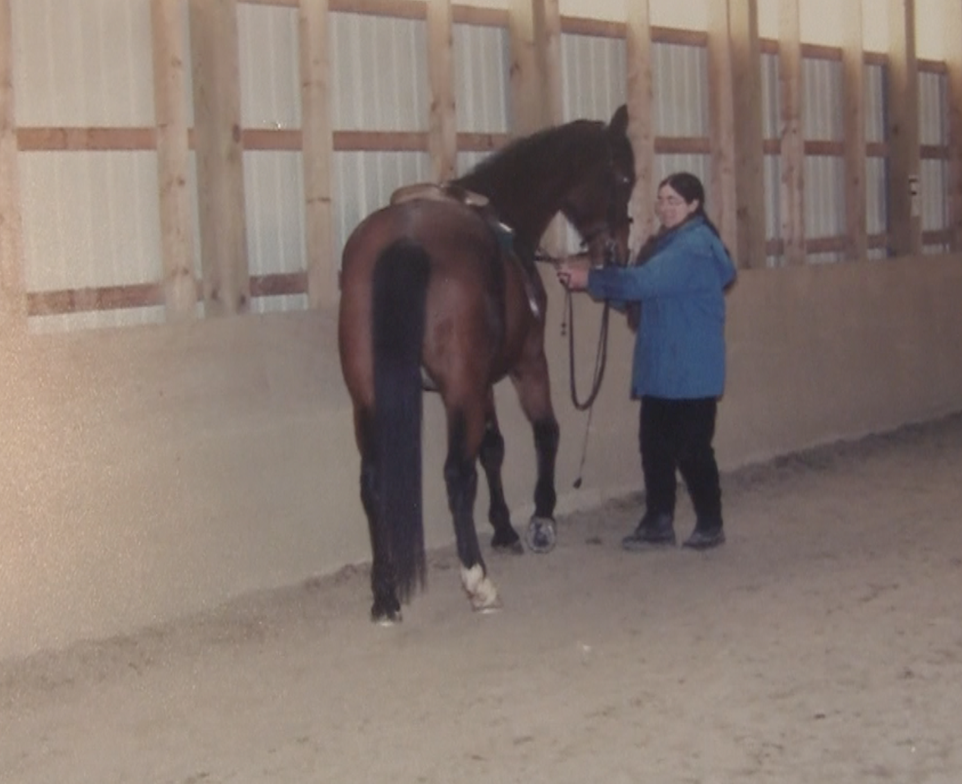
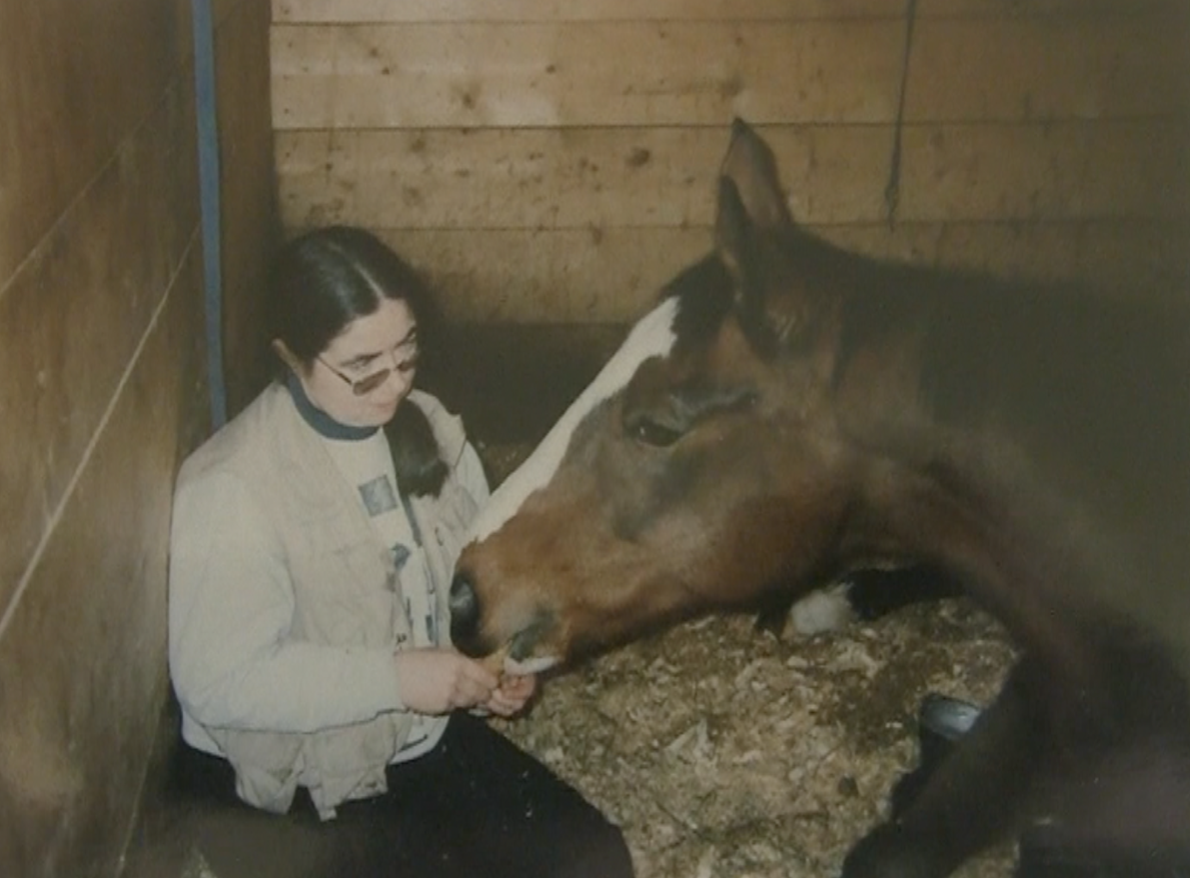
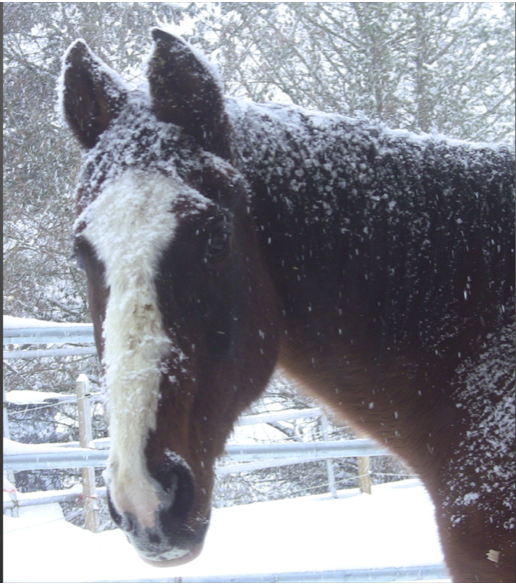
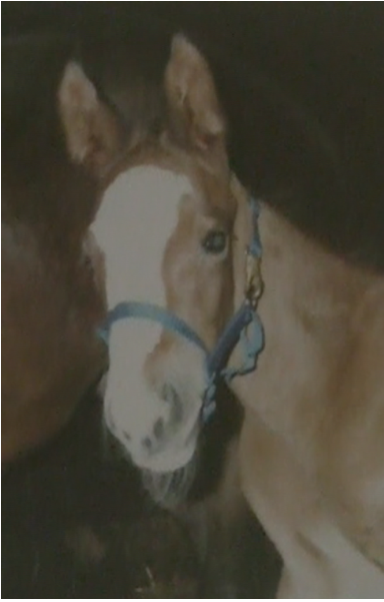
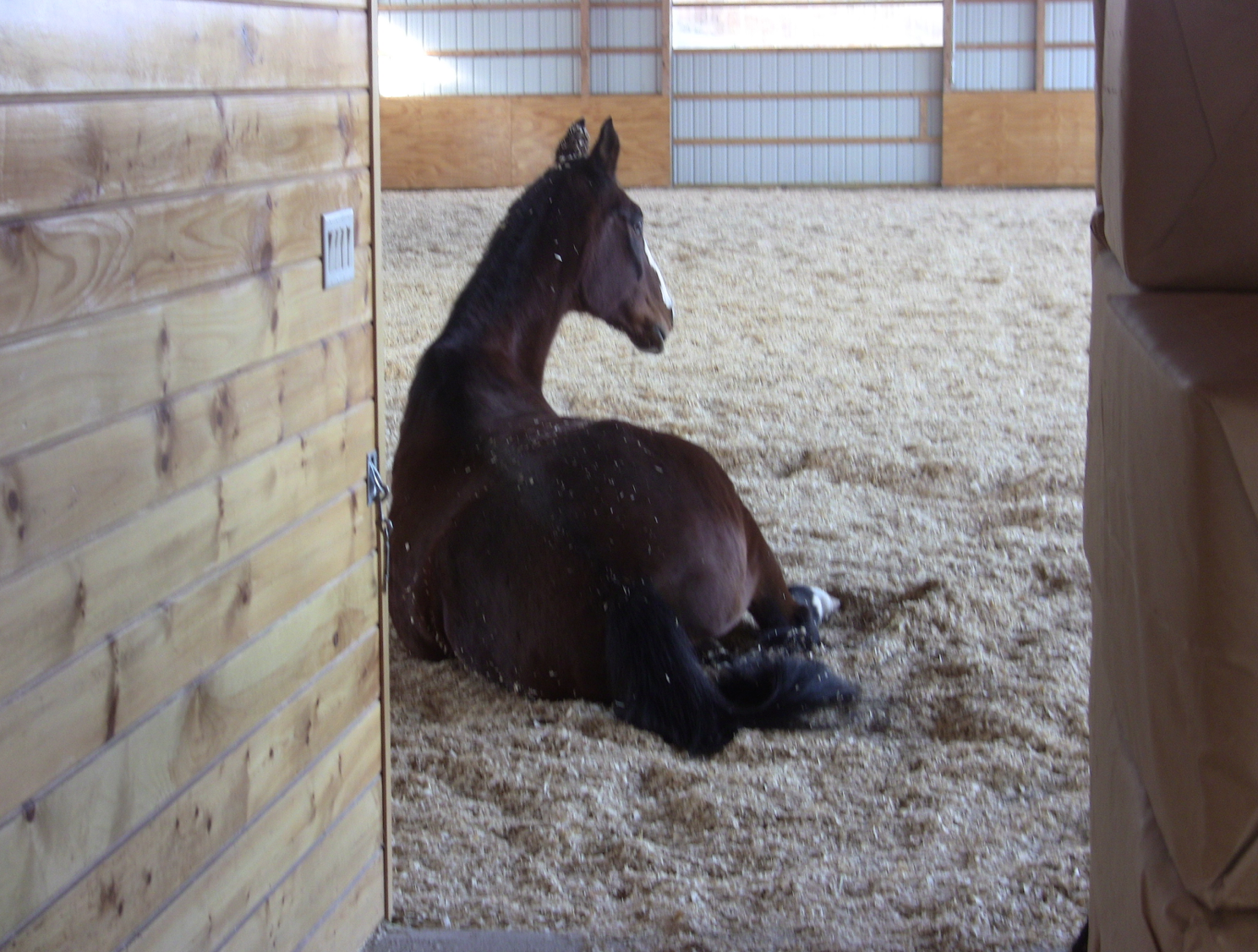


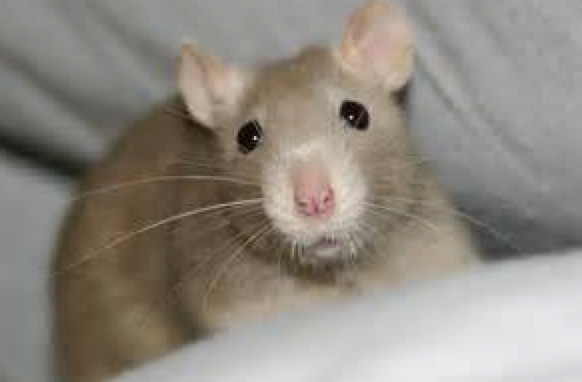
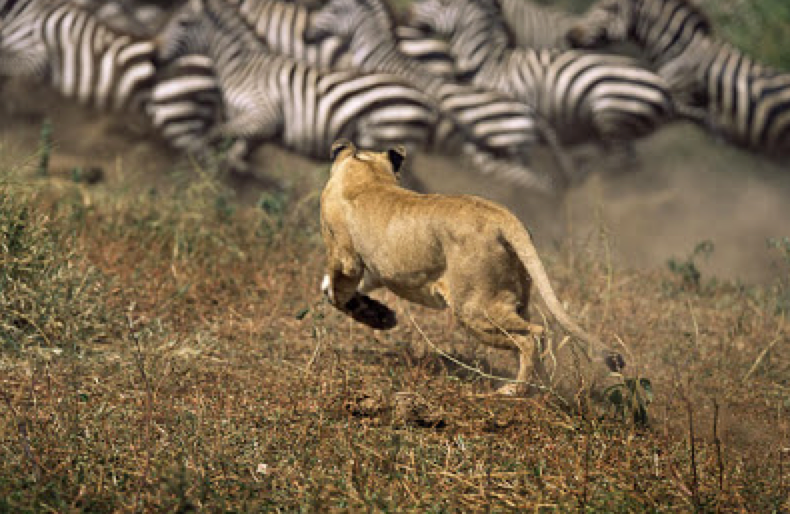
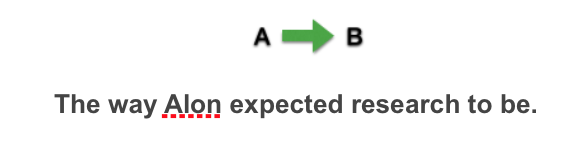
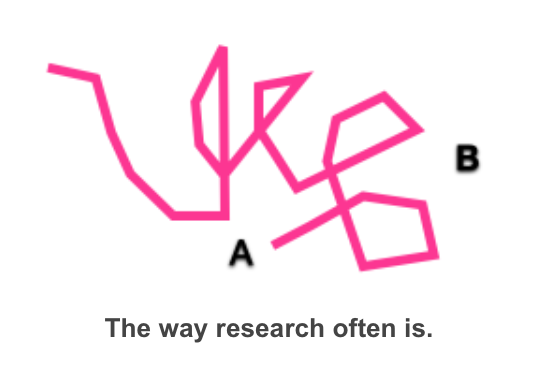
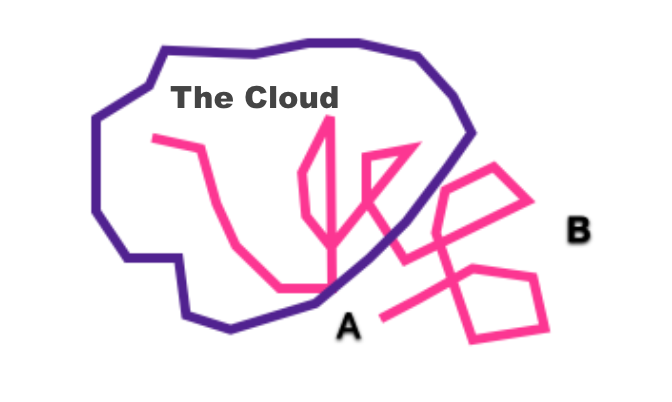
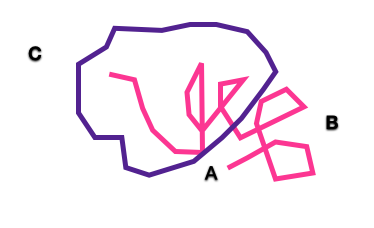
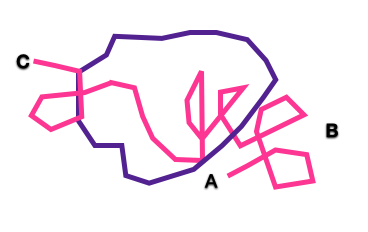

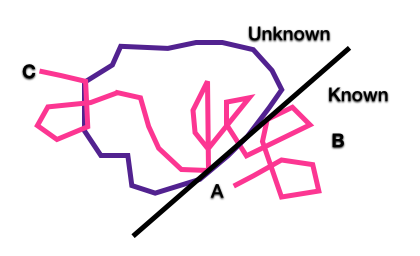
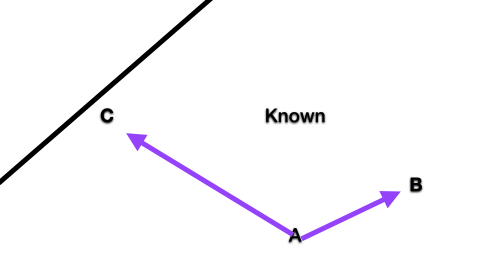
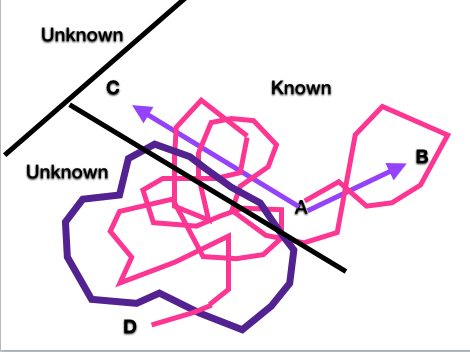
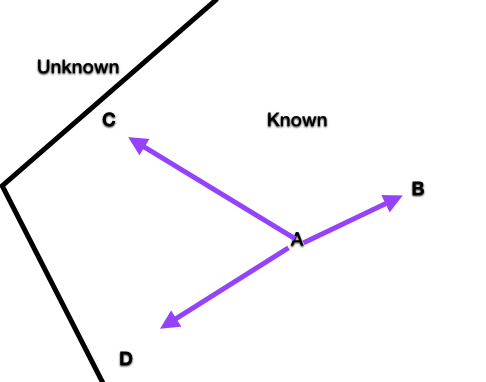
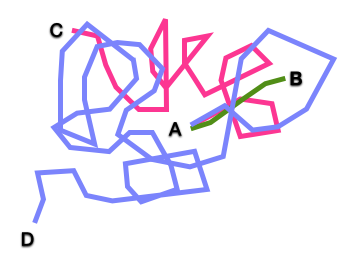
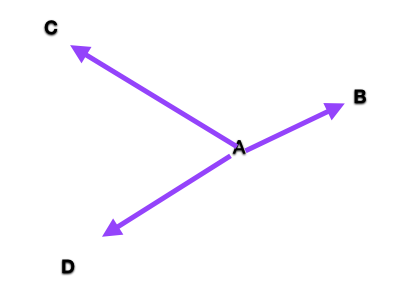
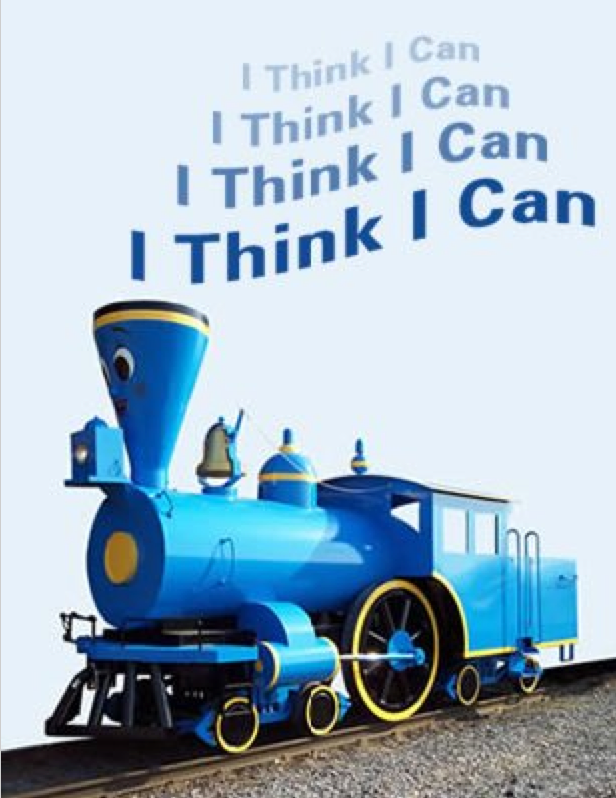

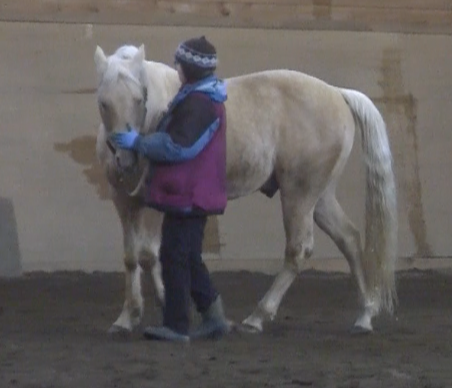
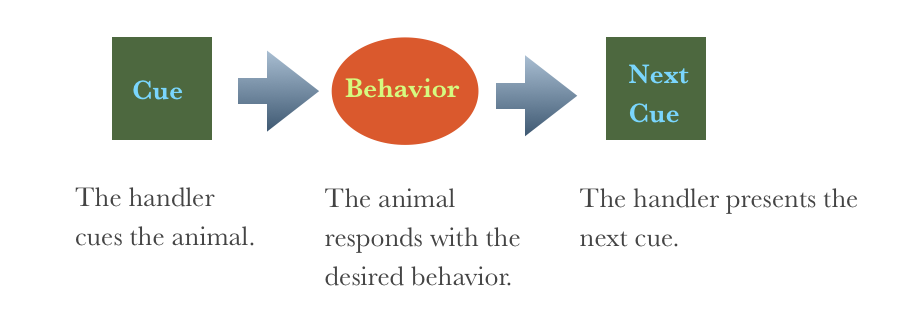
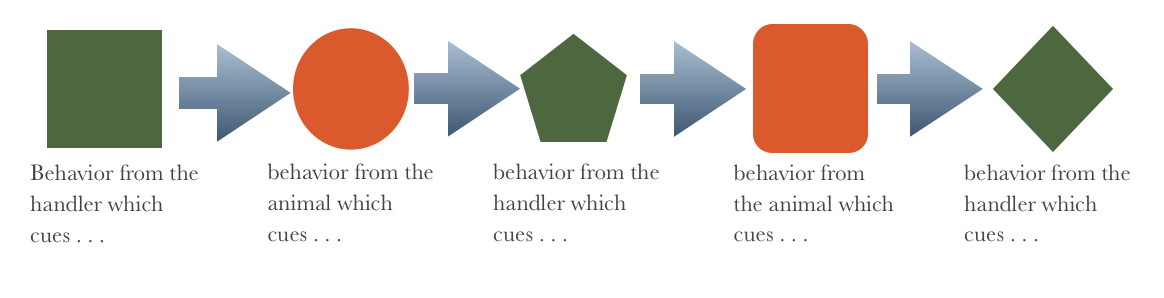
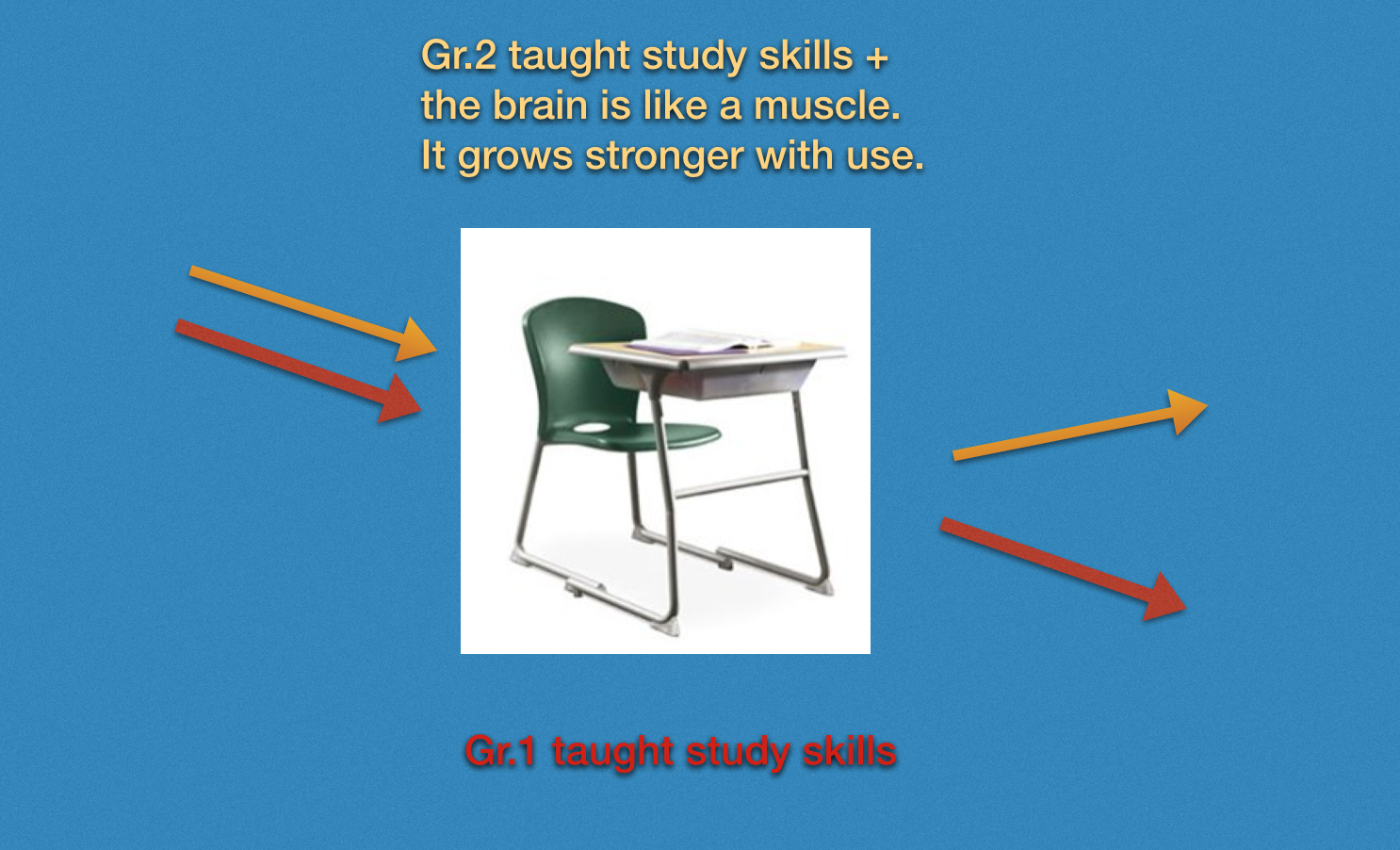
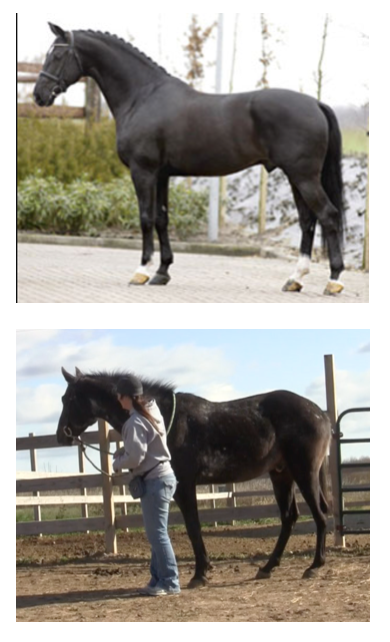
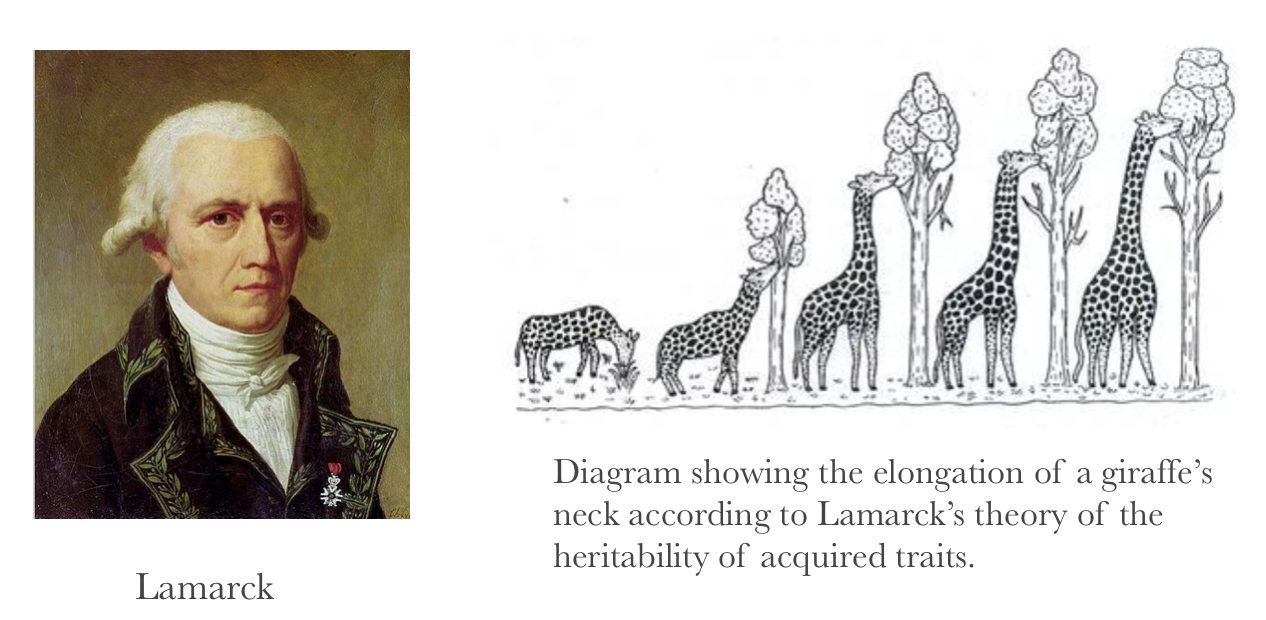
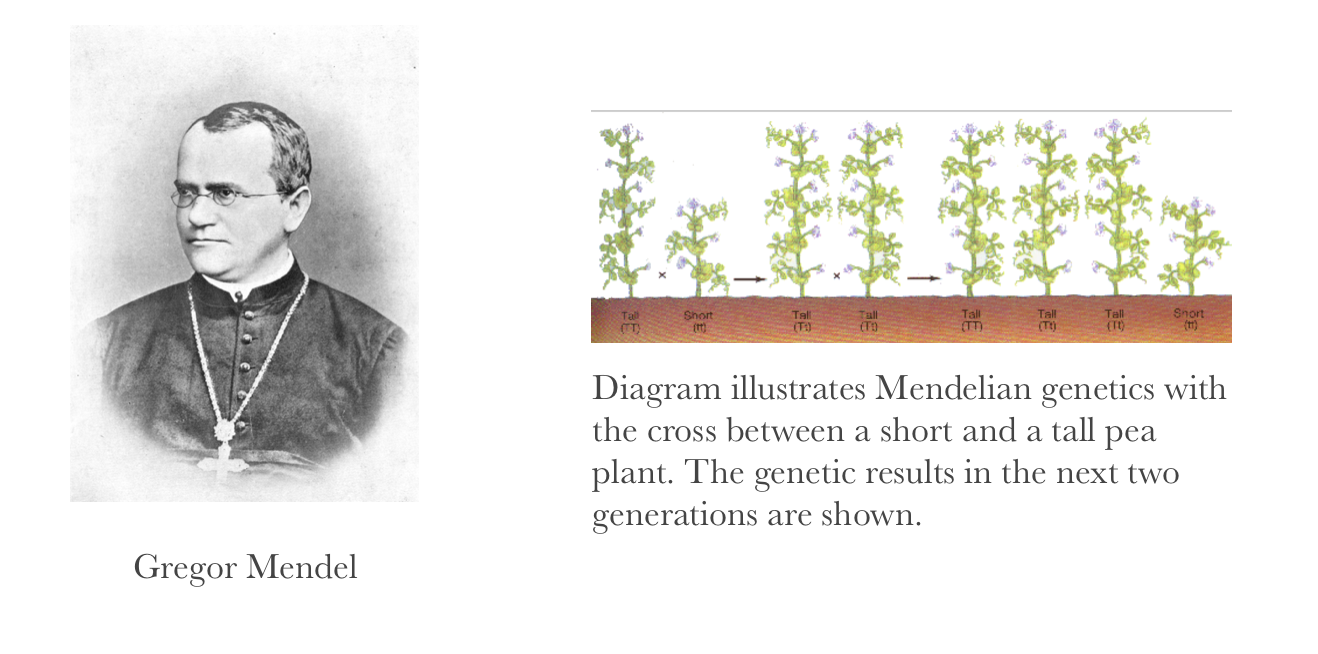

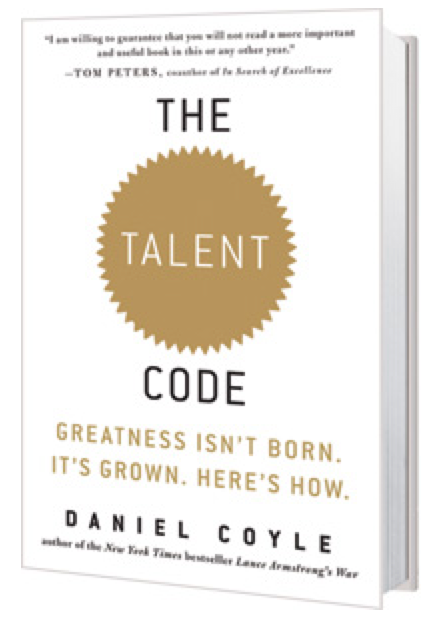
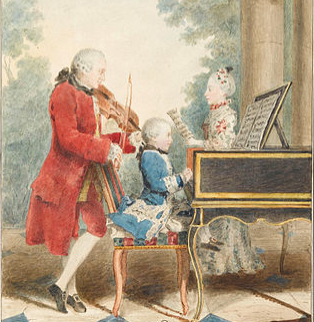
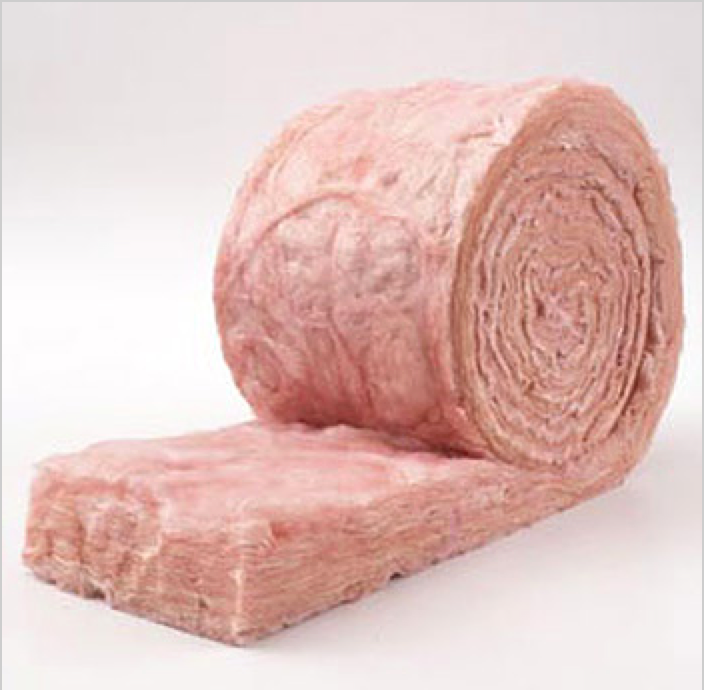
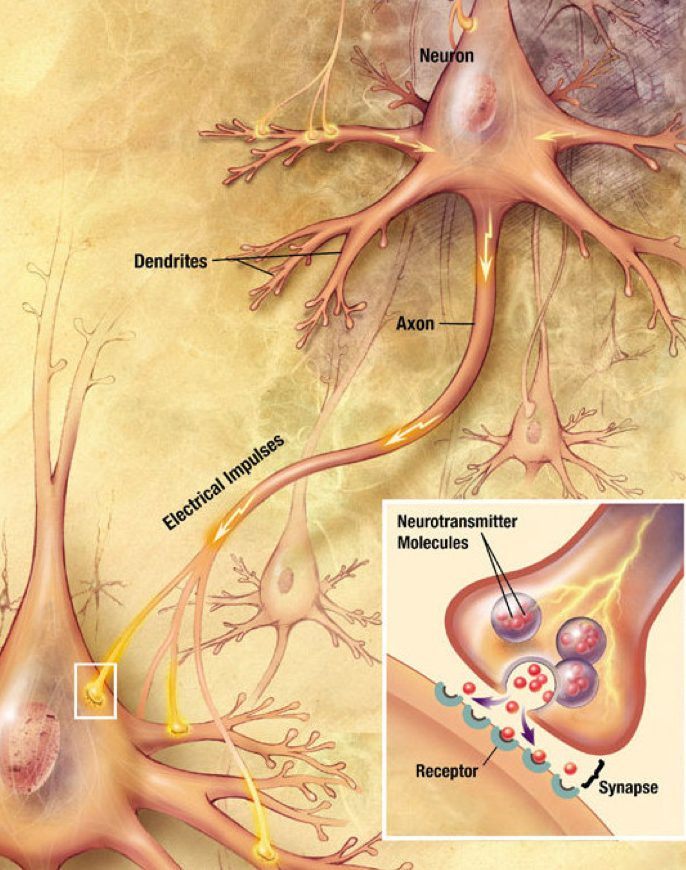
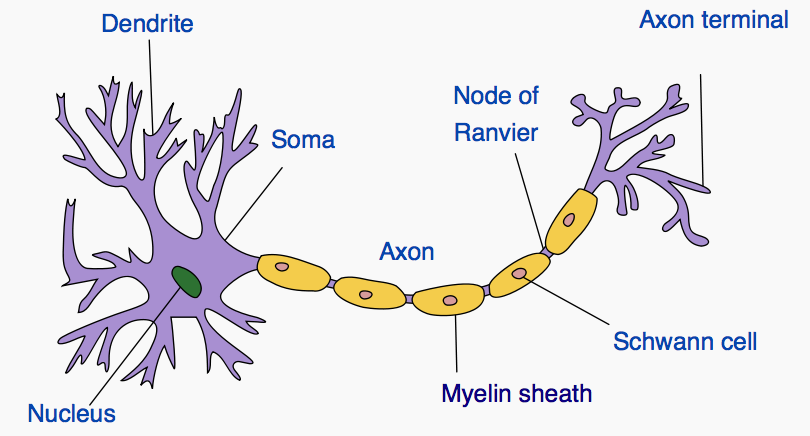
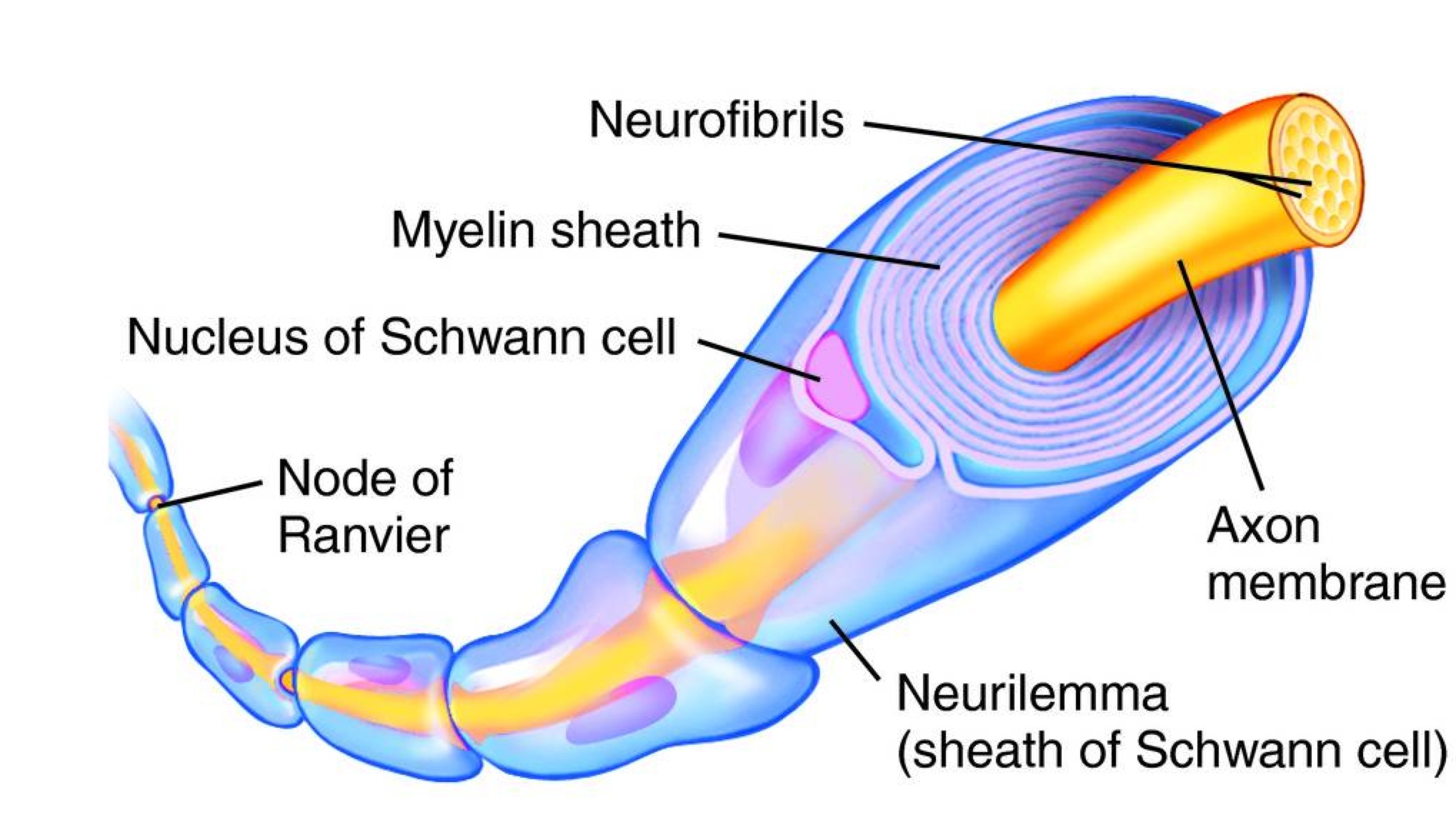

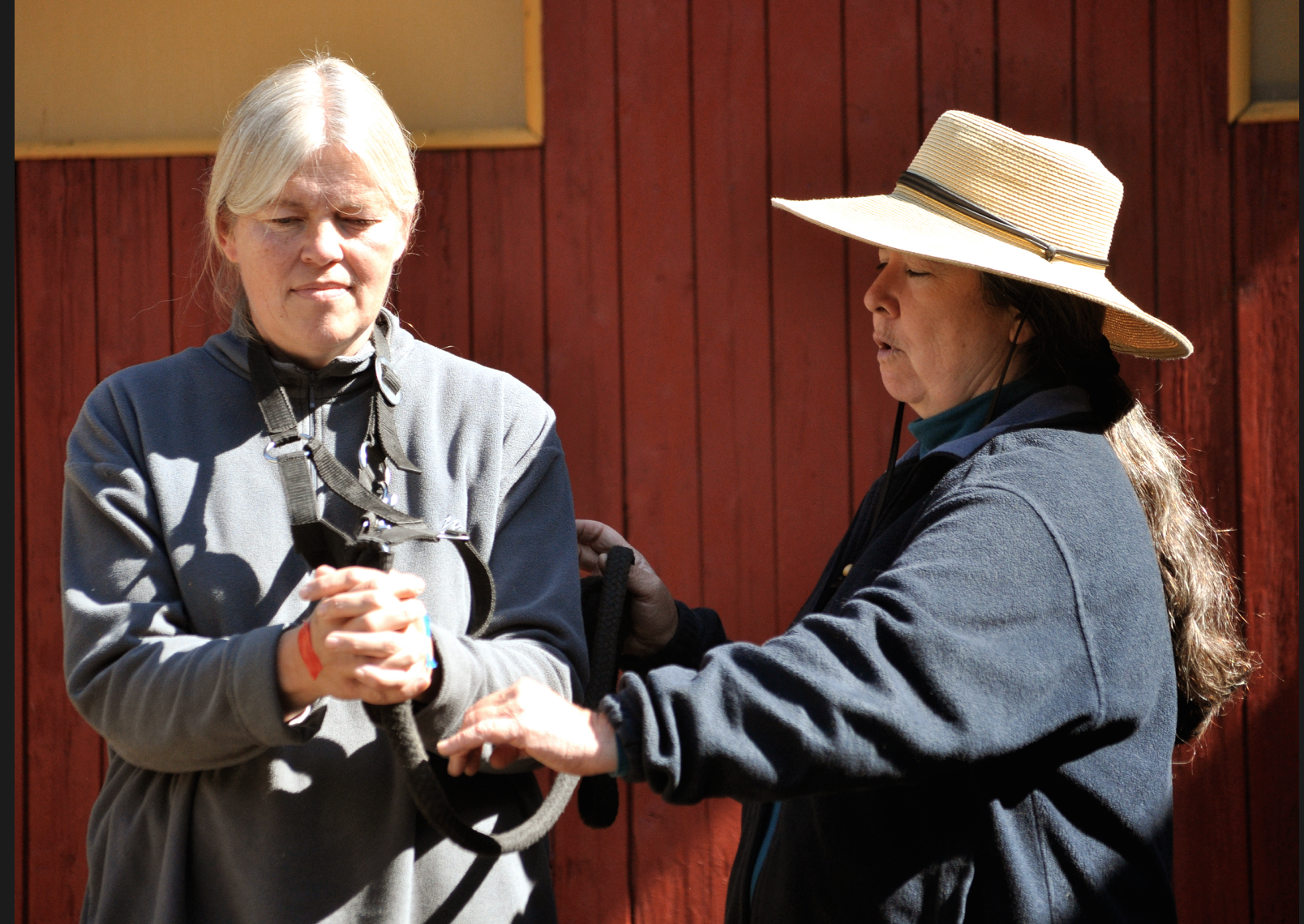

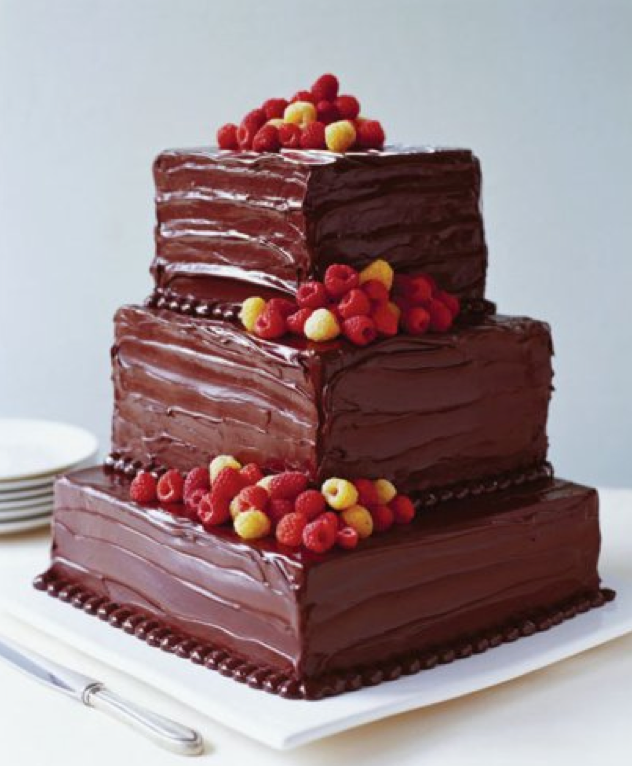
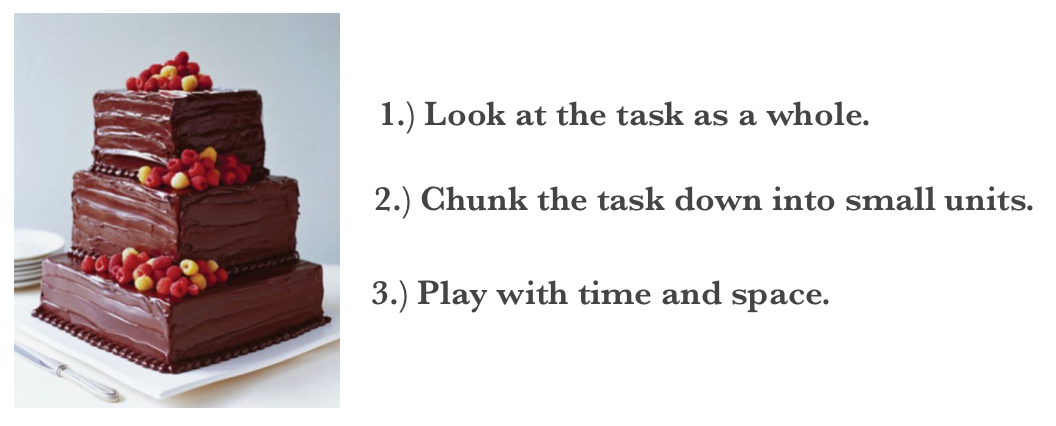
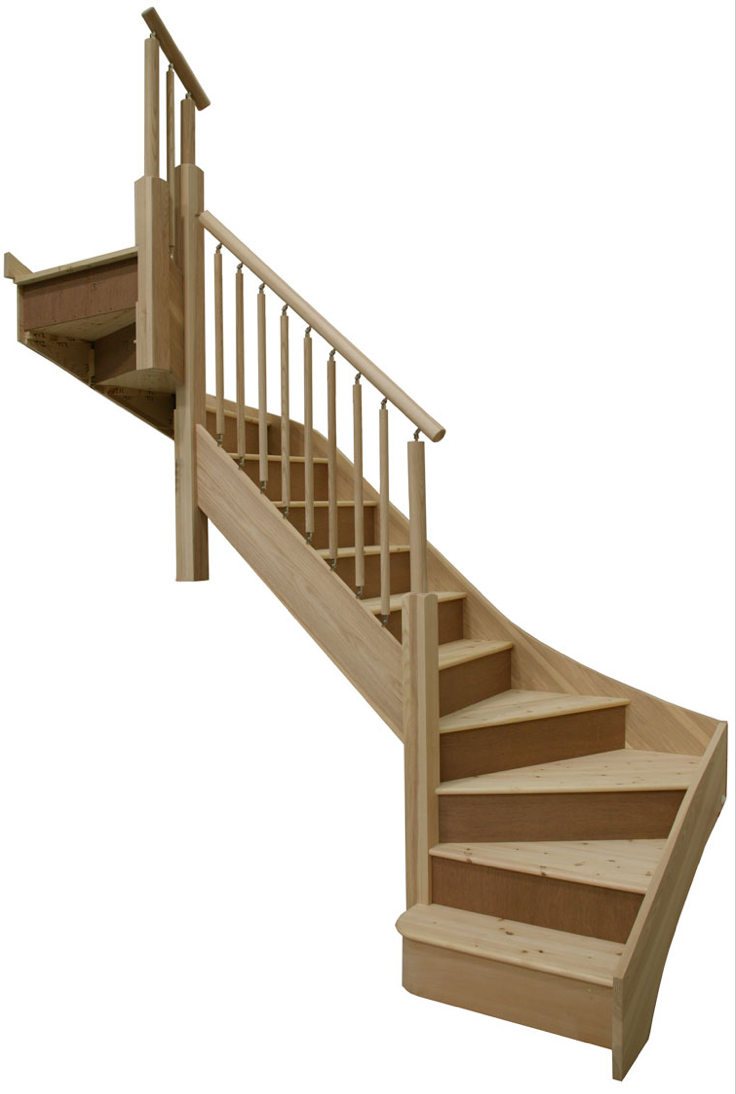
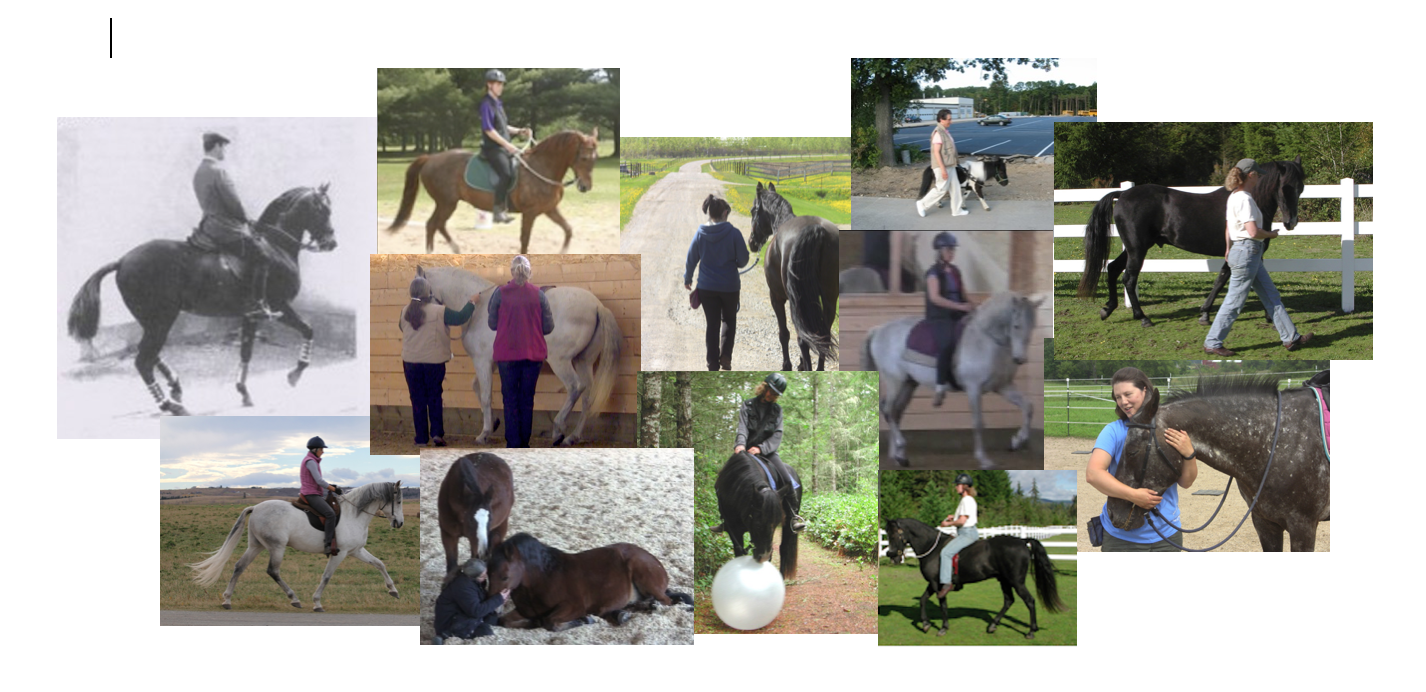
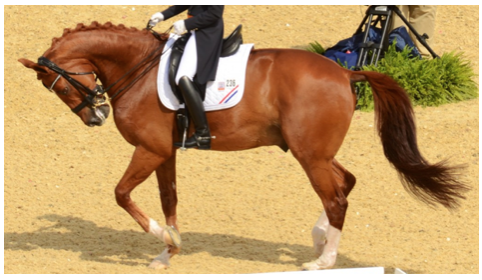
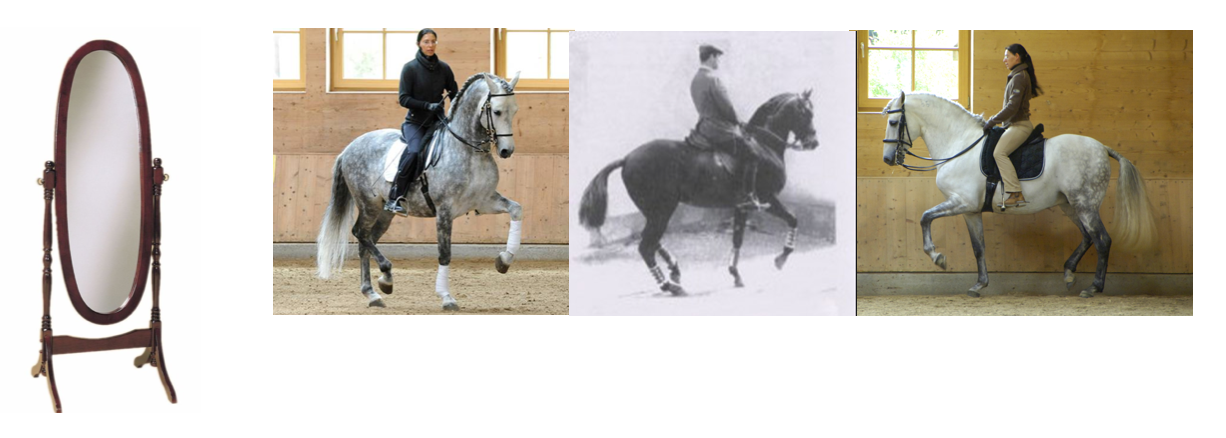
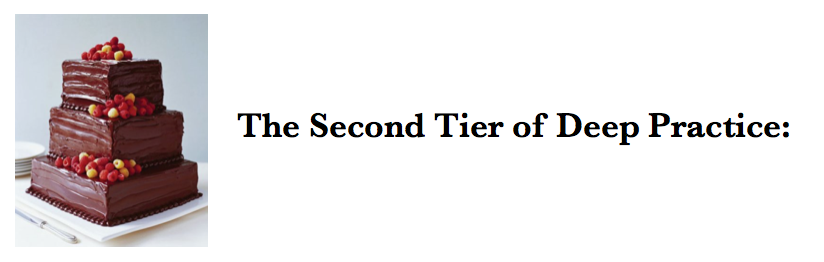
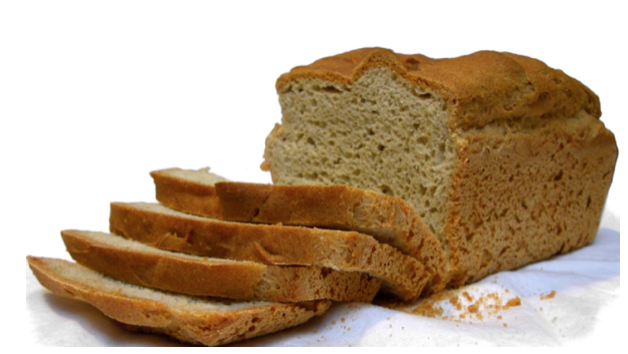
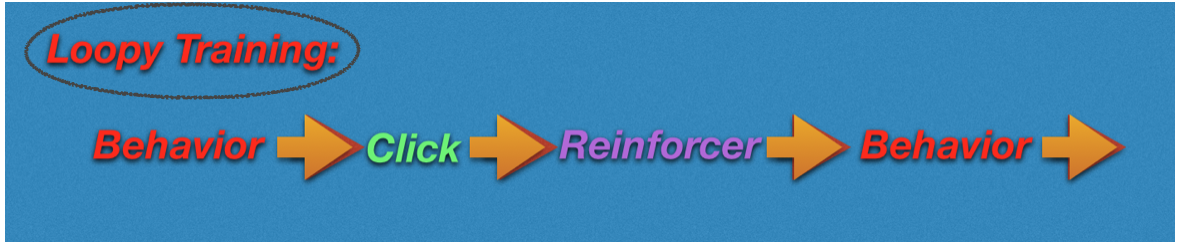
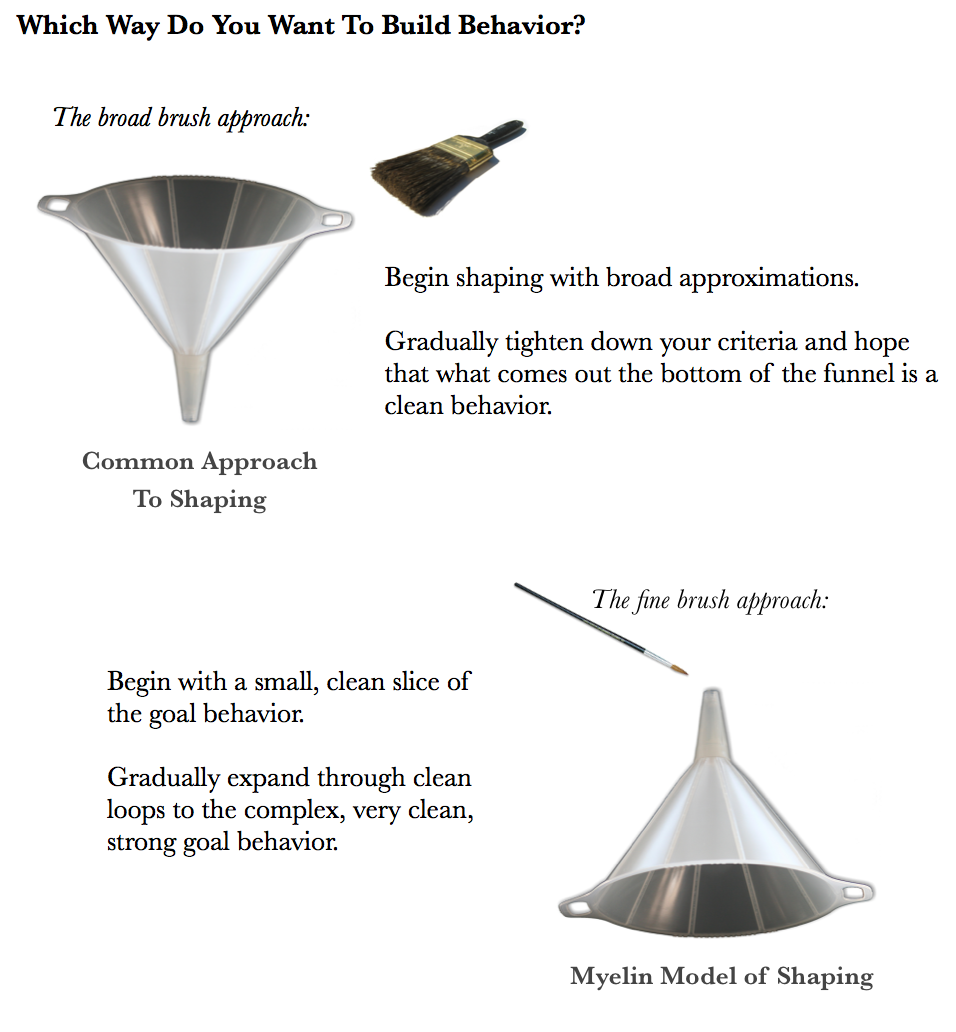

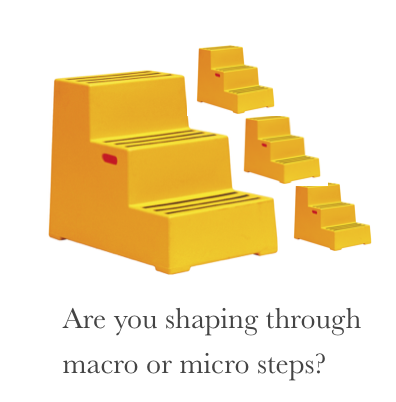
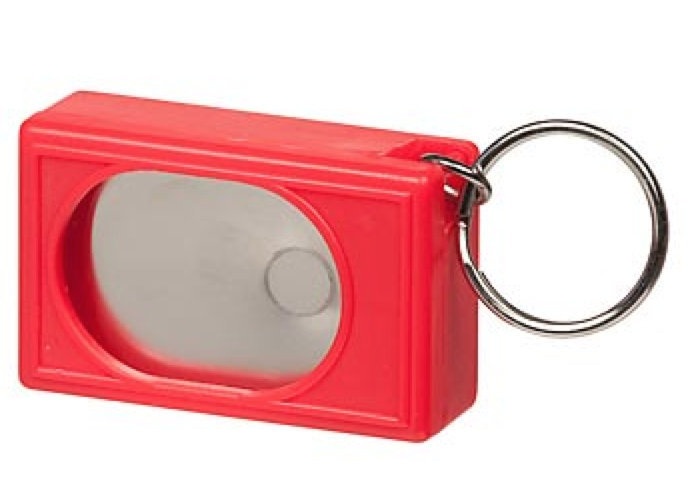

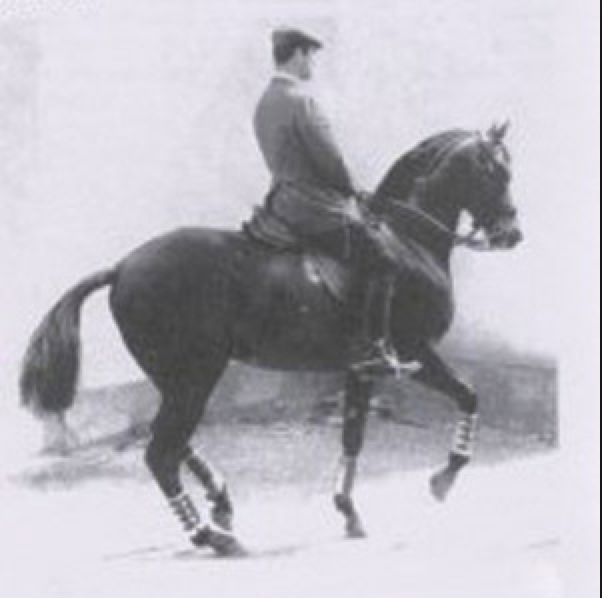
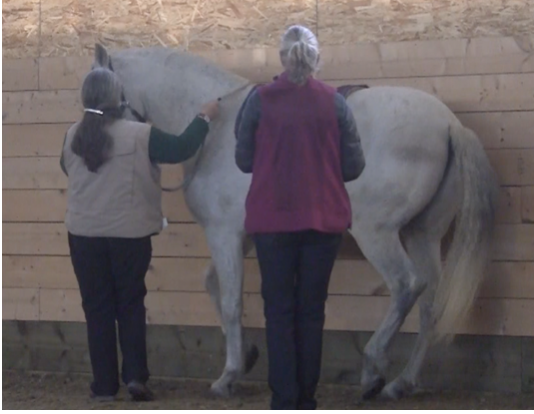
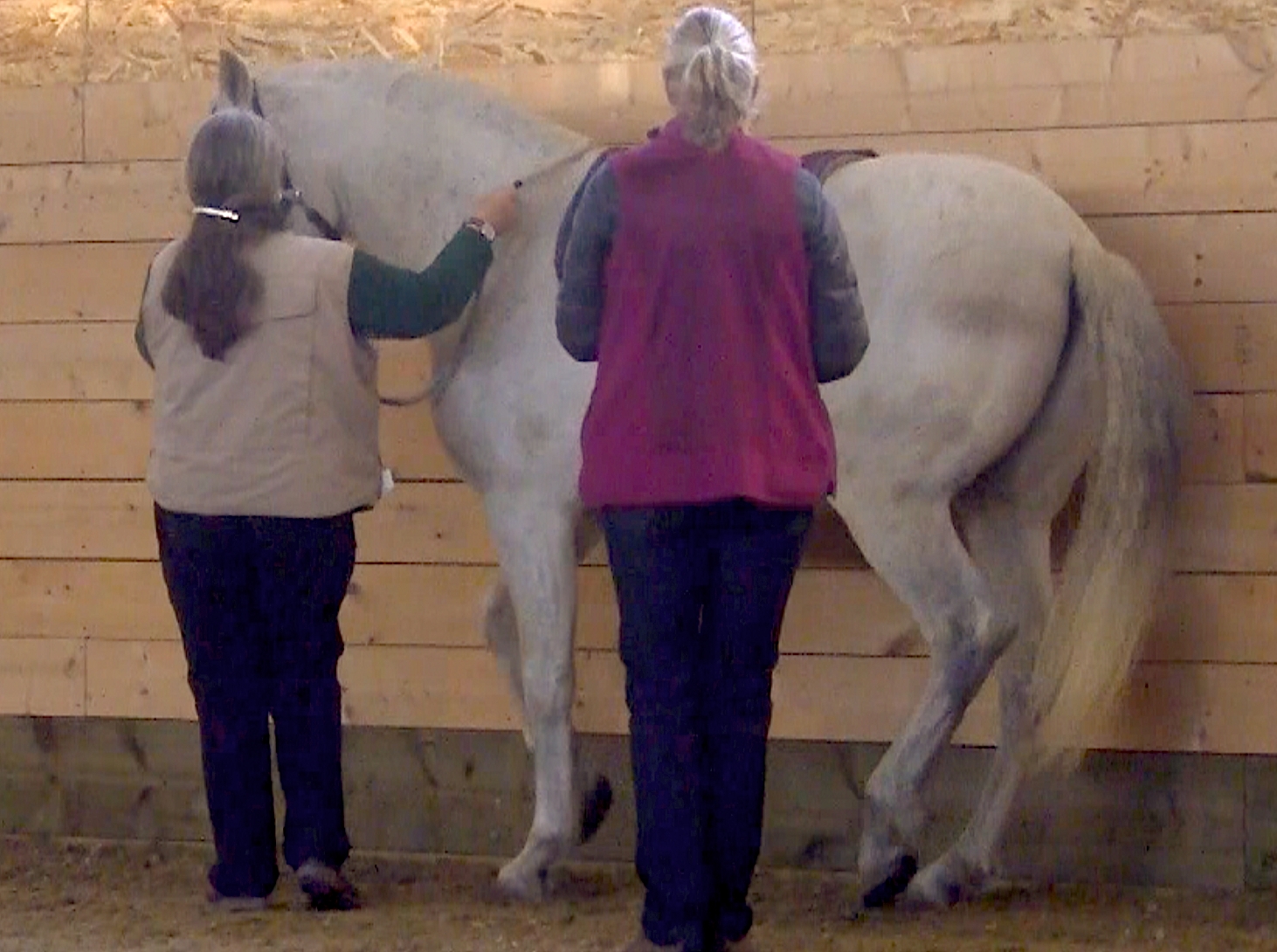
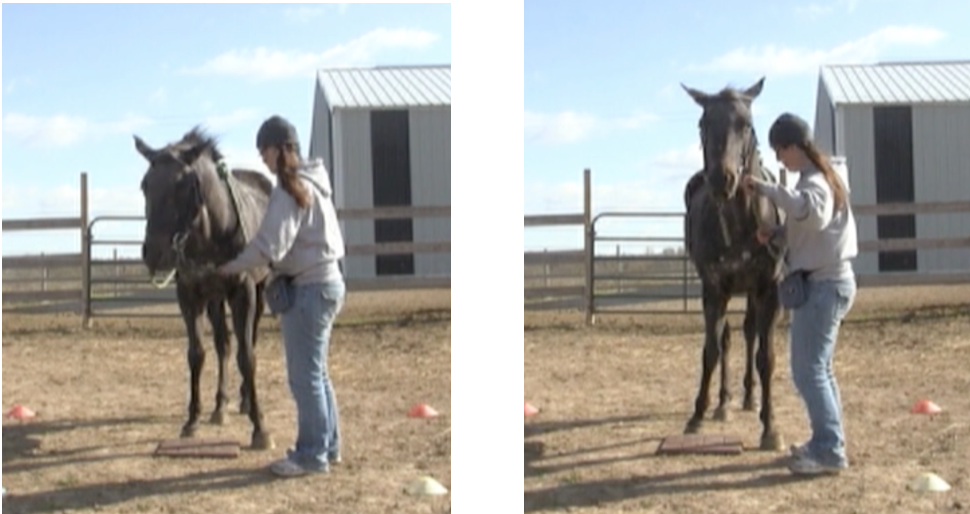
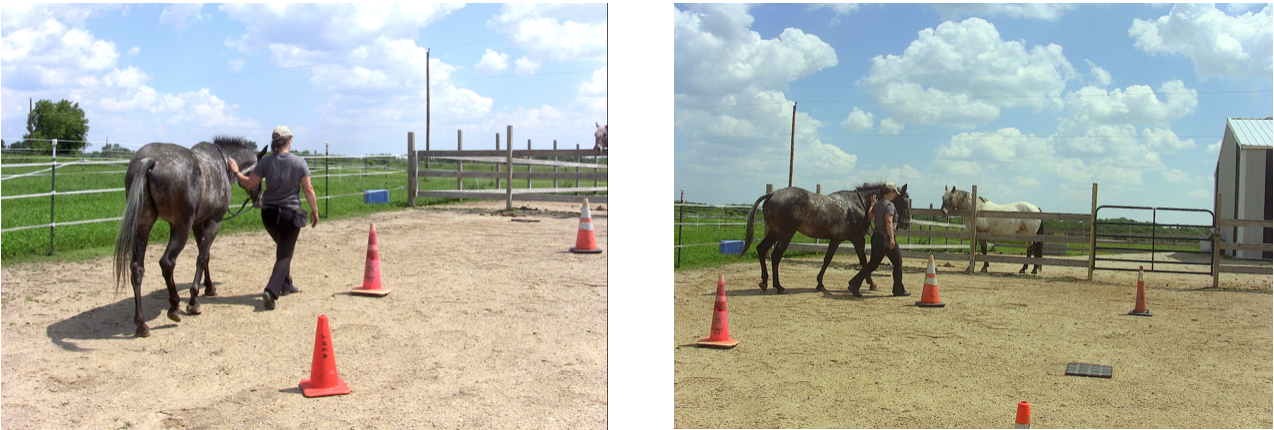
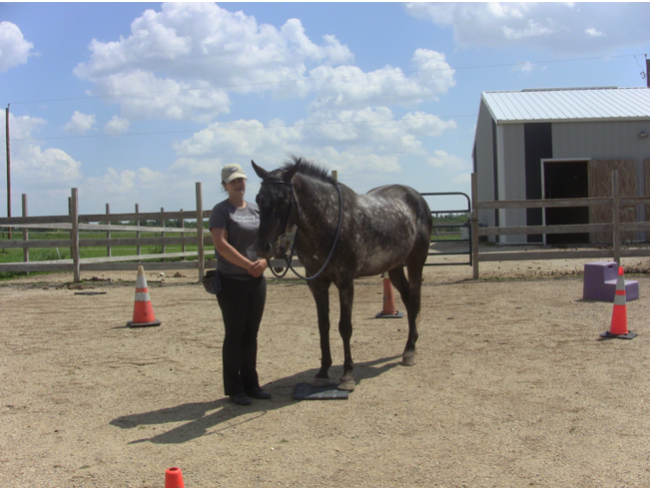
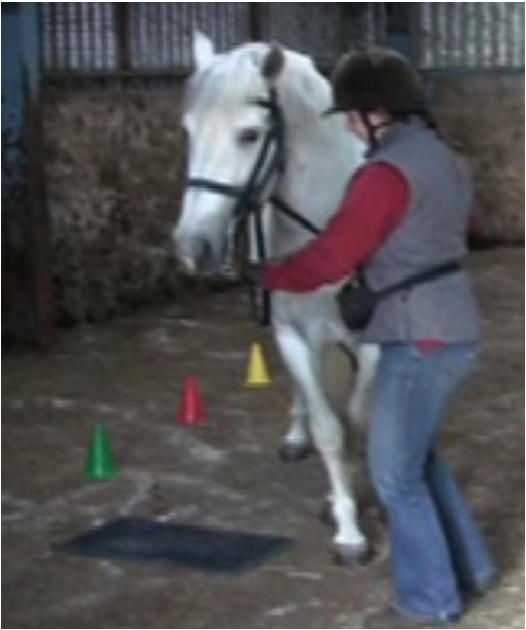
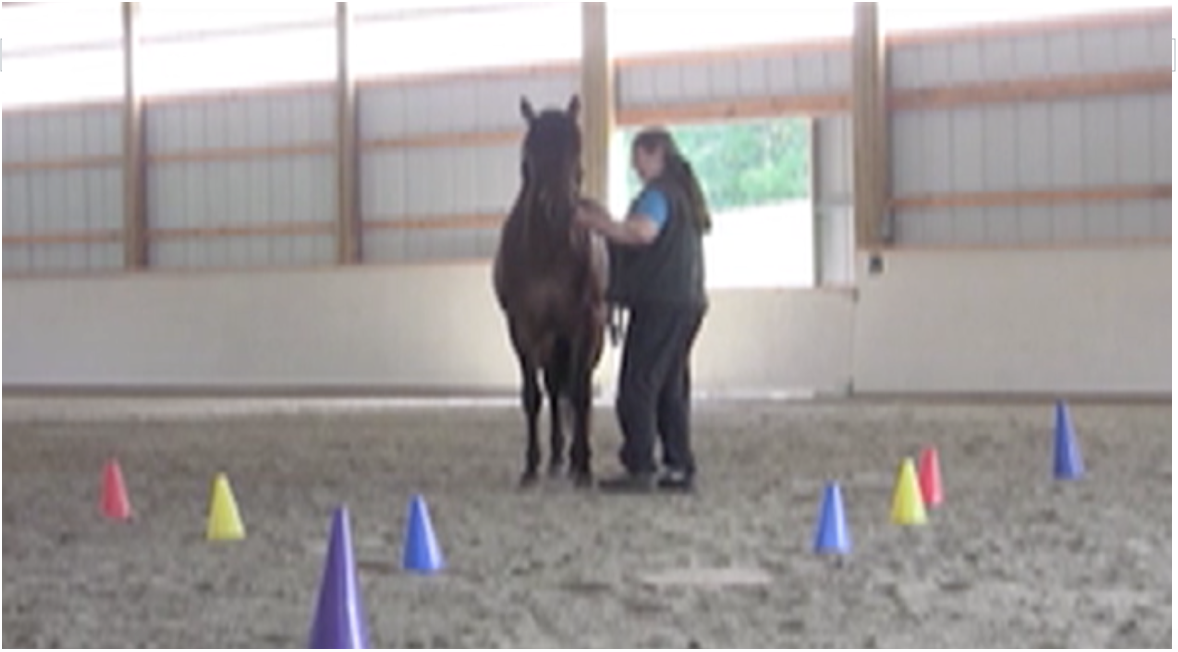
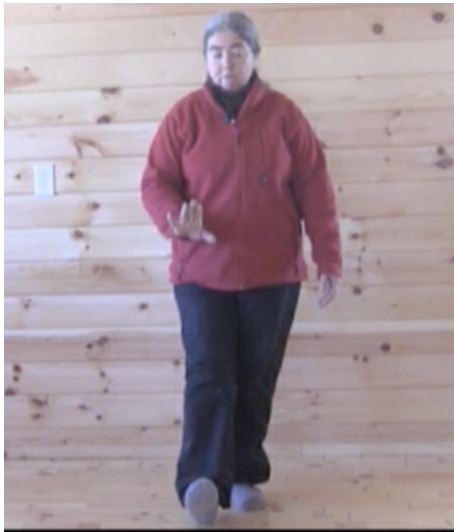
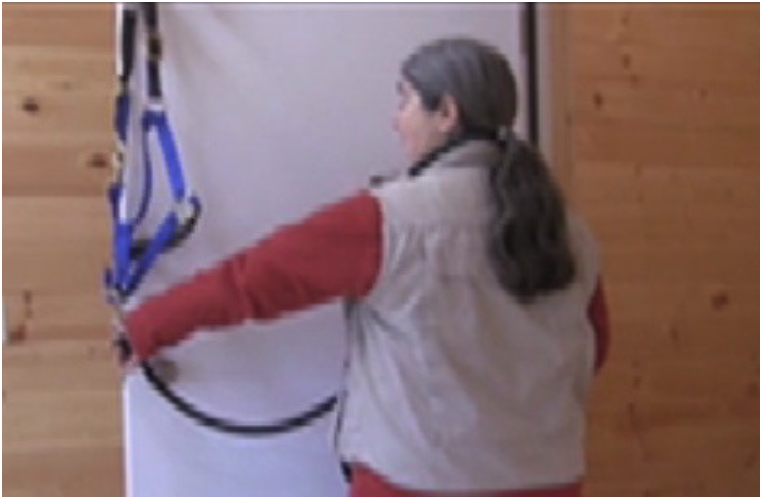
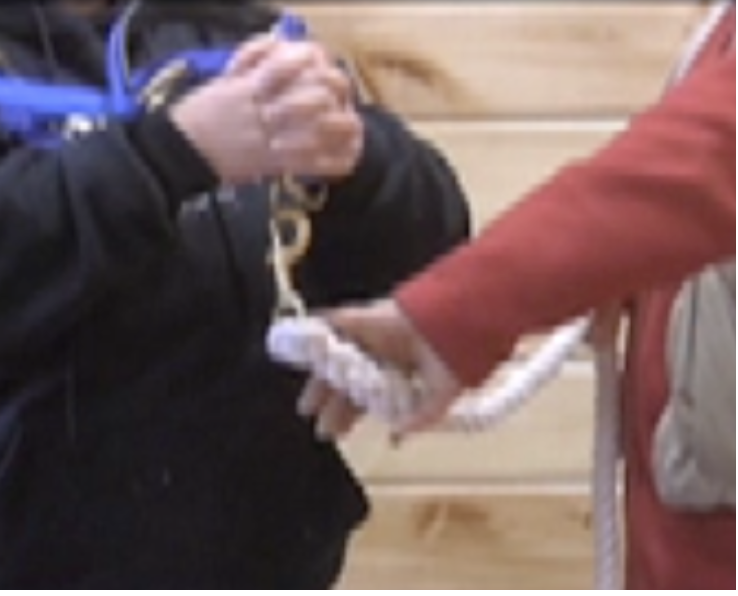
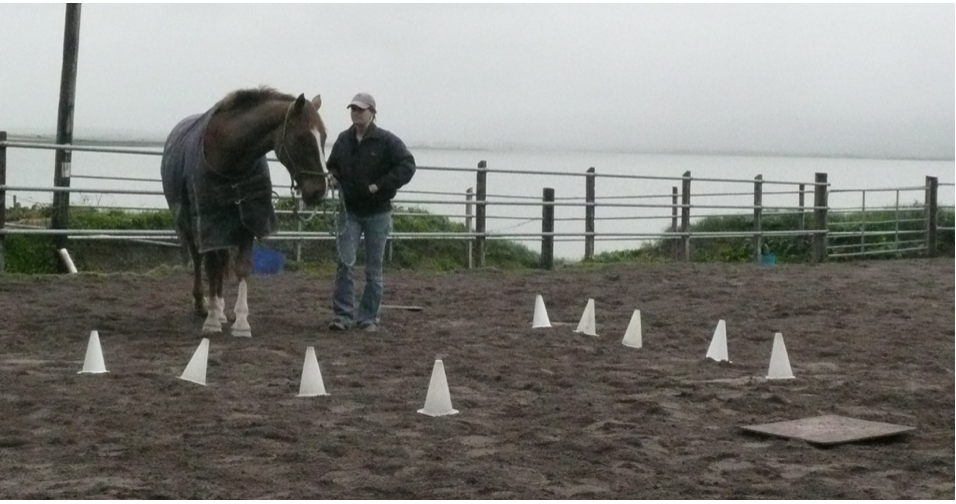
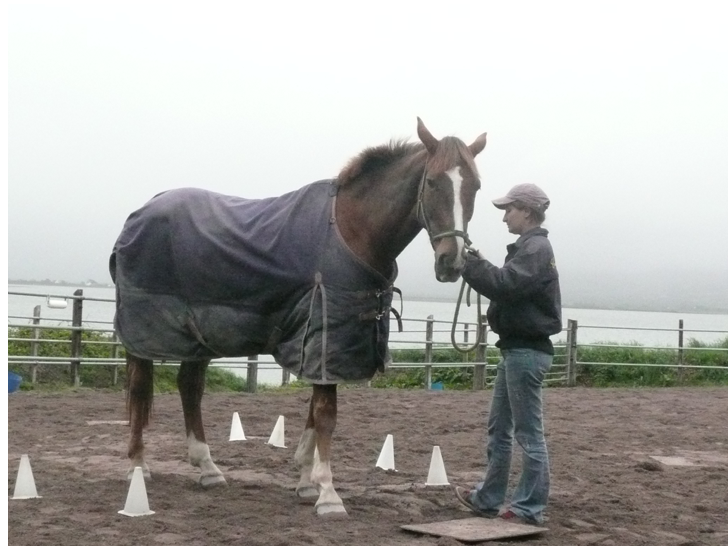
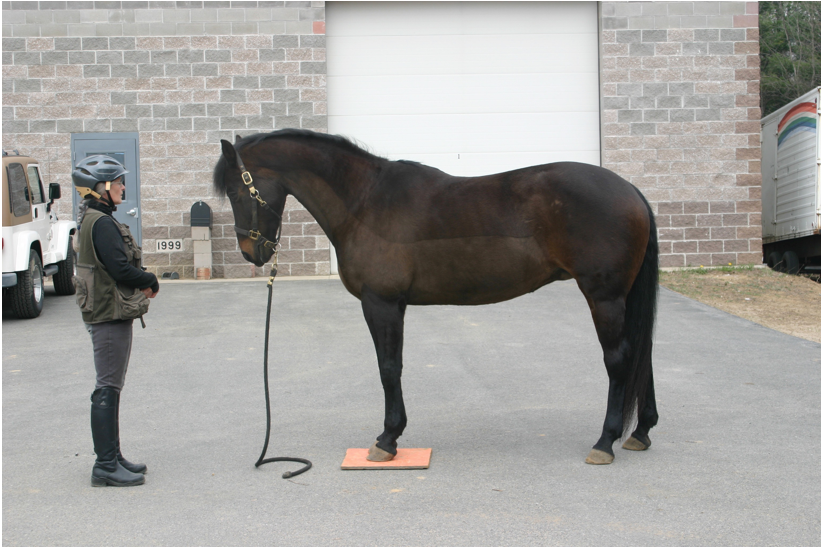
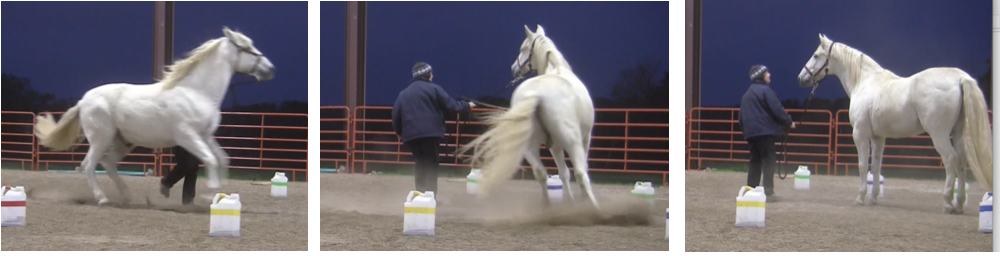
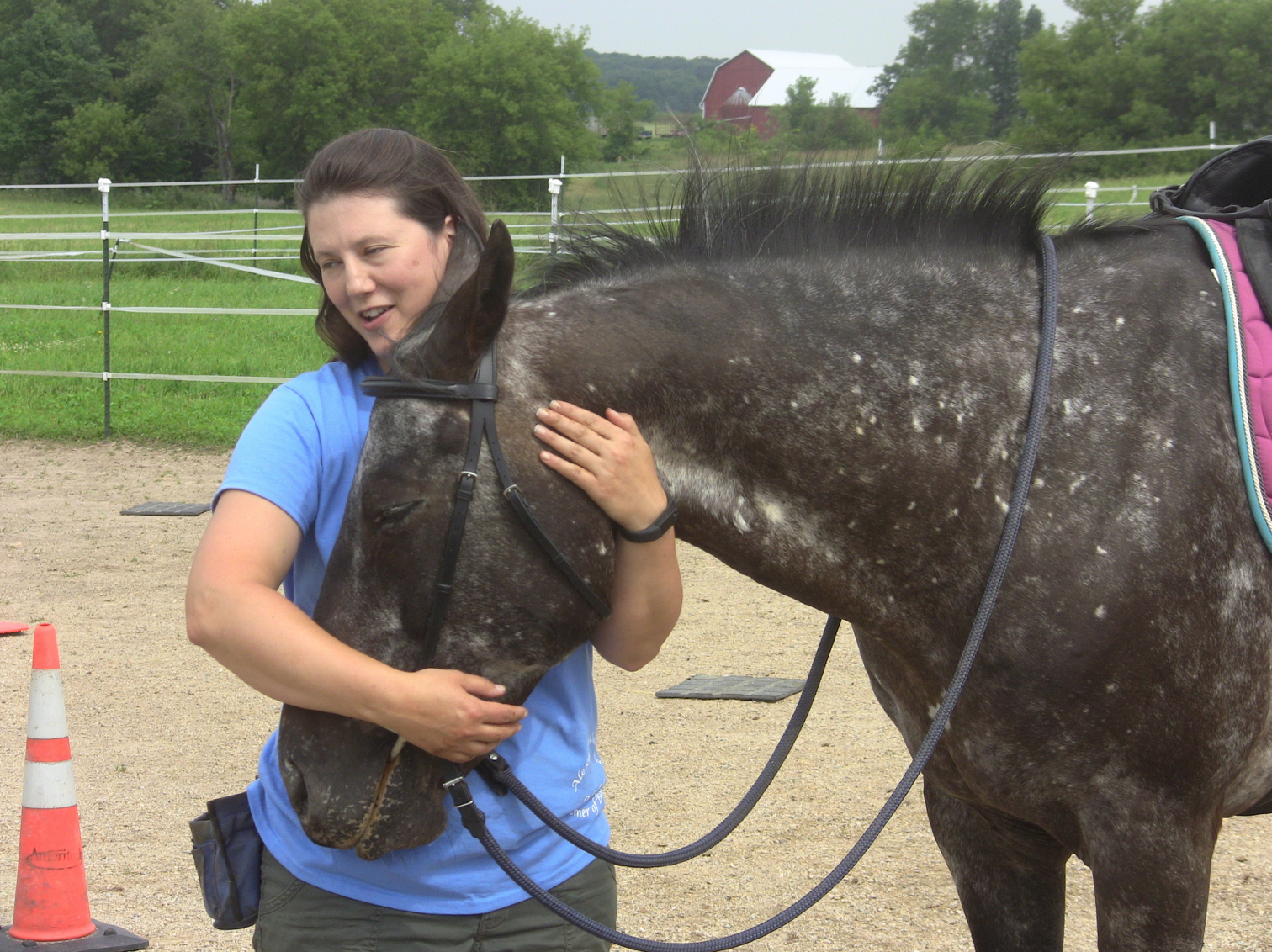
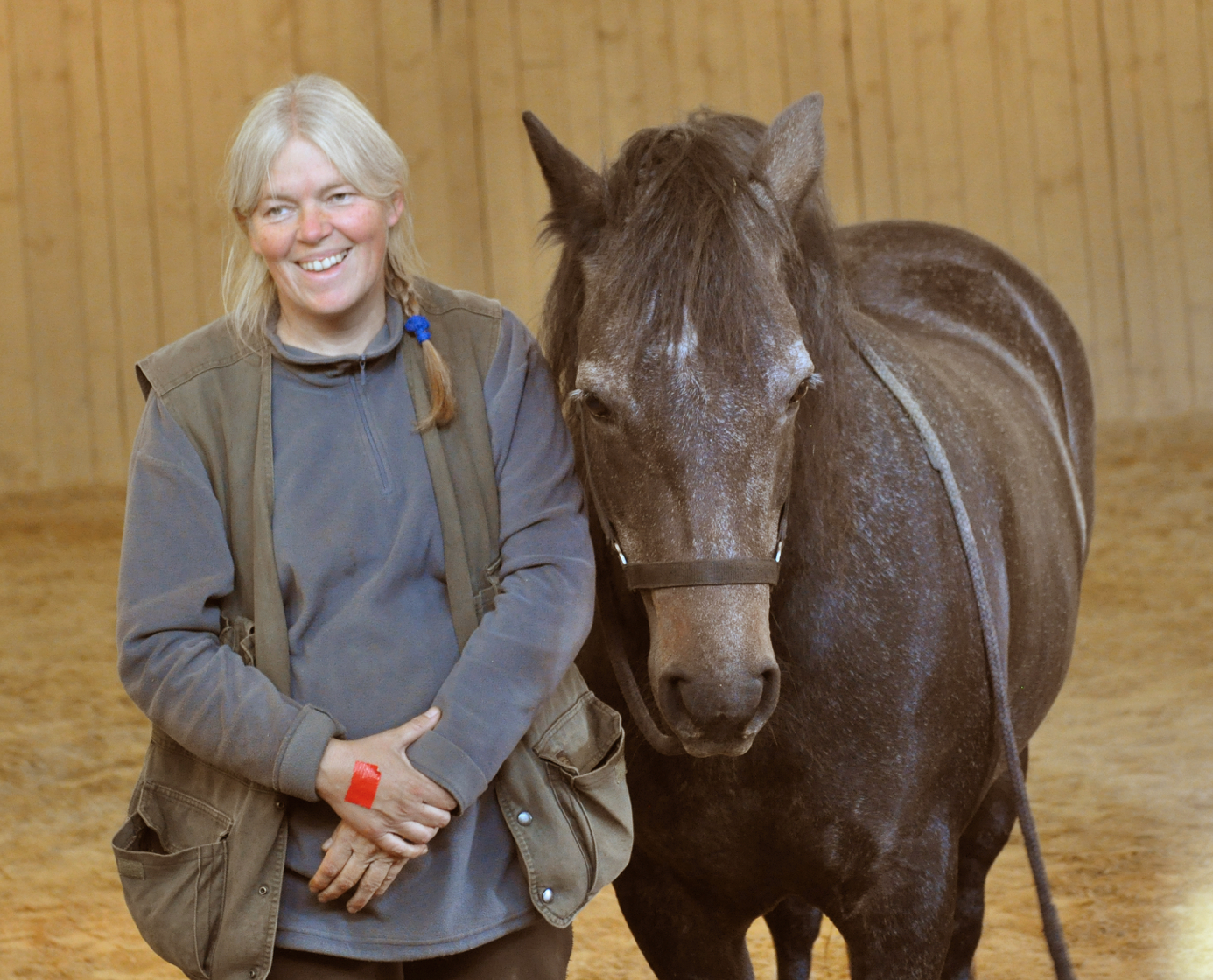
 The Clicker Center Blog